By Monday, Miami had already worn us down.
The good kind of worn down. The kind that comes from too many rooms, too many faces, too many “where are you now?” messages, too much sun between hotel lobbies, too many overlapping invitations, and the strange feeling that half the city was moving through the same WhatsApp thread, ours 8)
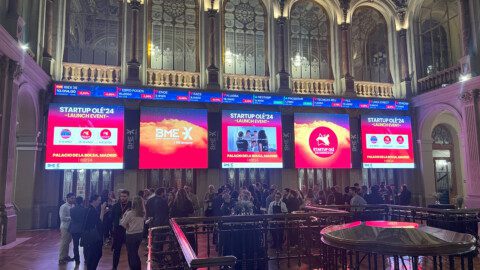
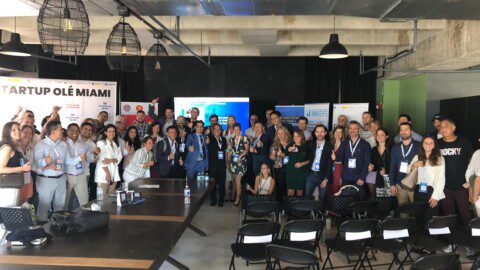
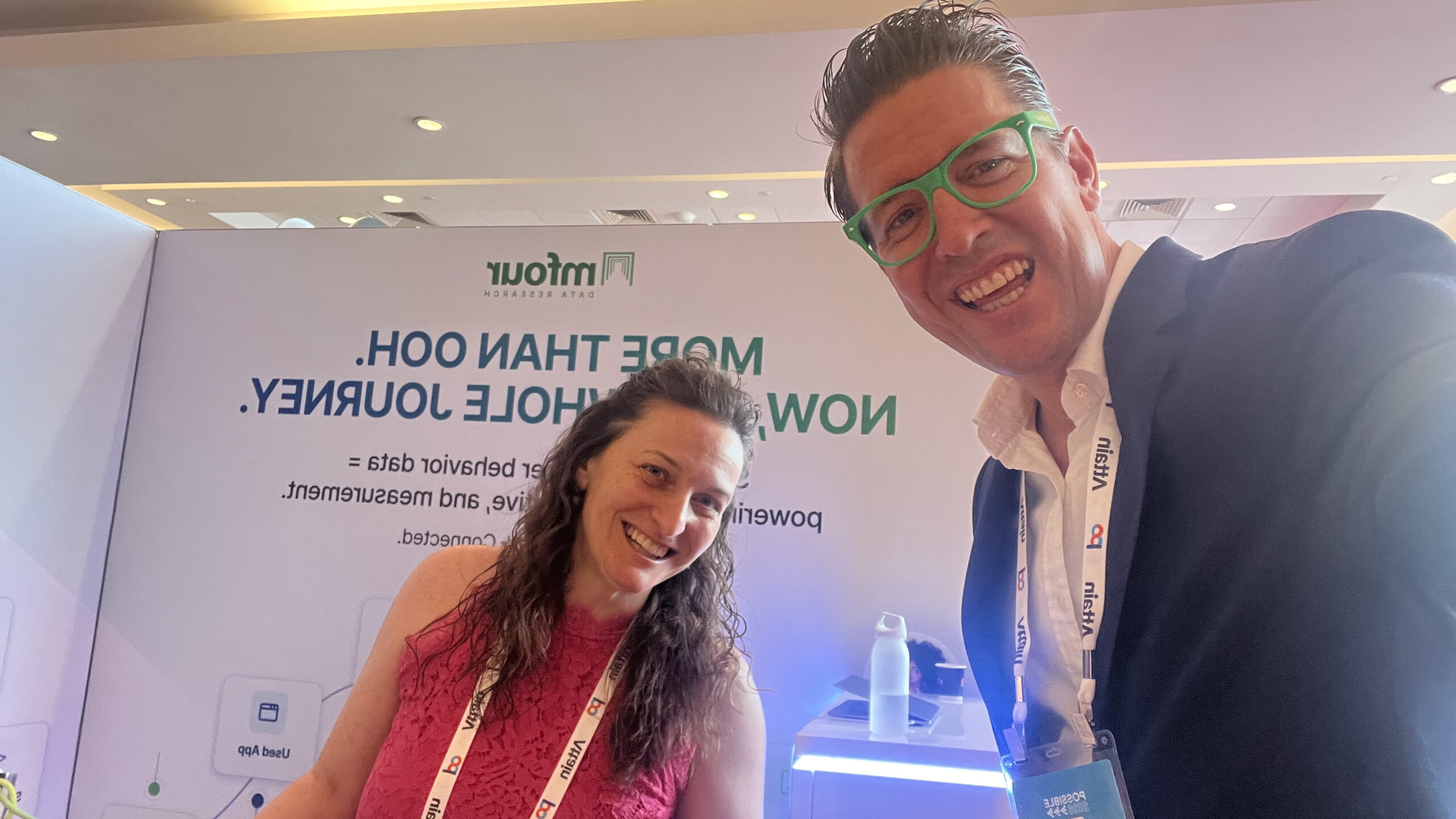
Before POSSIBLE, our Miami route had already taken us through Startup OLÉ, eMerge Americas, Mana Tech, Argentina and Córdoba gatherings, French Tech, founder meetings, private rooms, asados and GLOBALS On Tour Miami. The conversation had been mostly about startups, capital, AI, international expansion and ecosystem building.
Then POSSIBLE began, and the vocabulary changed.
People started talking about brands, creators, media, advertising, commerce, culture, attention and trust. The suits were different. The pace was different. The rooms had a different charge.
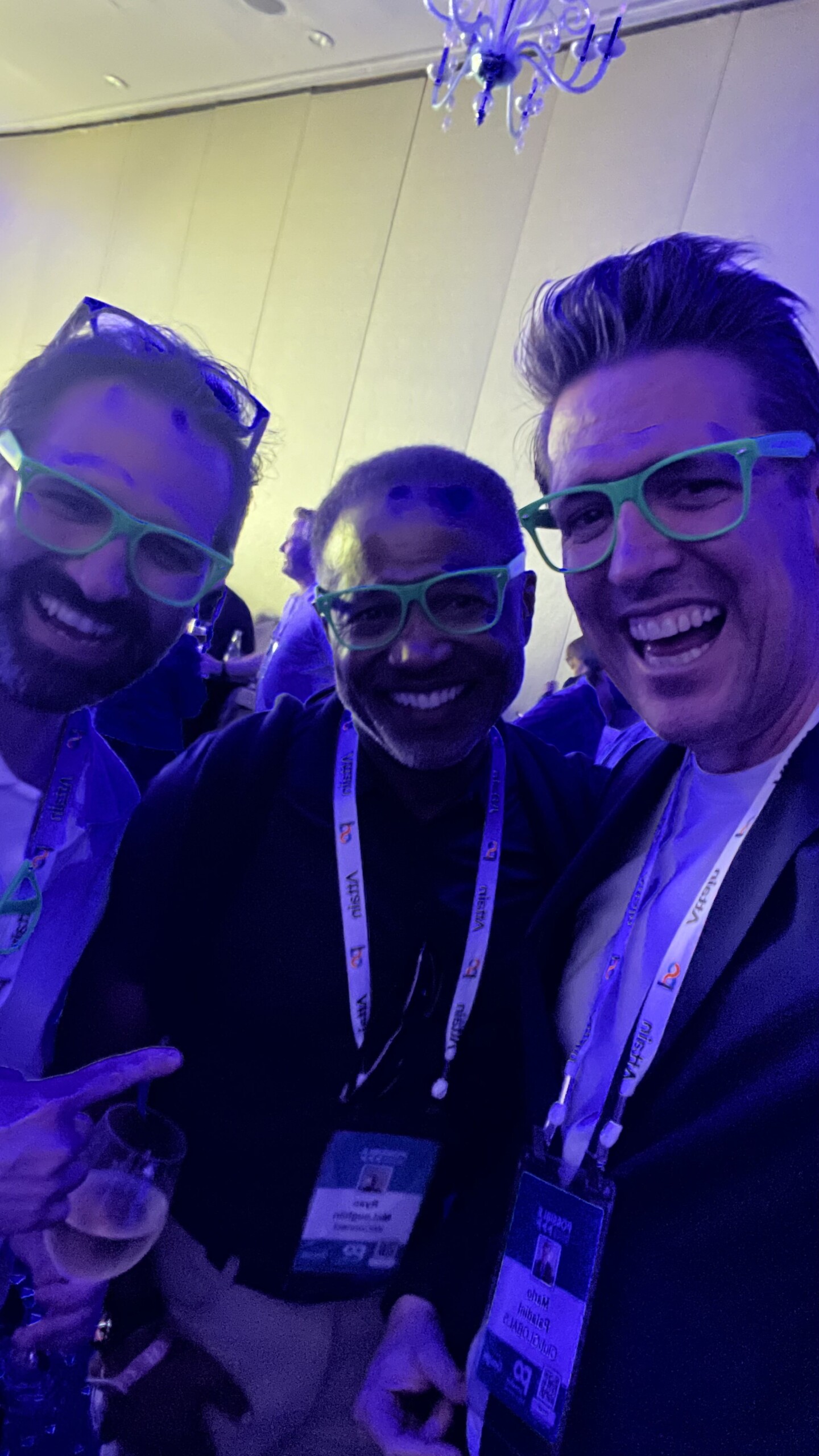
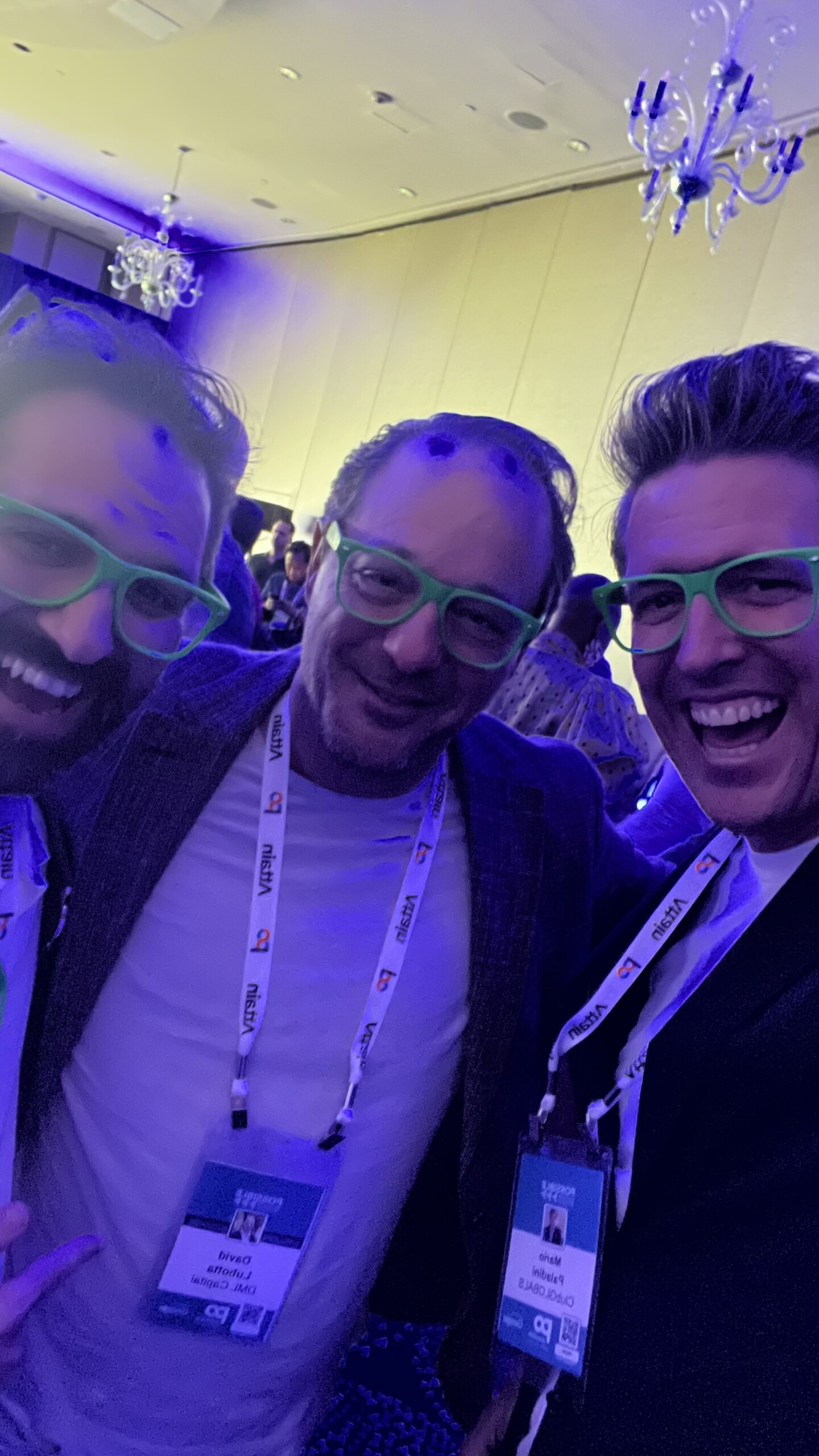
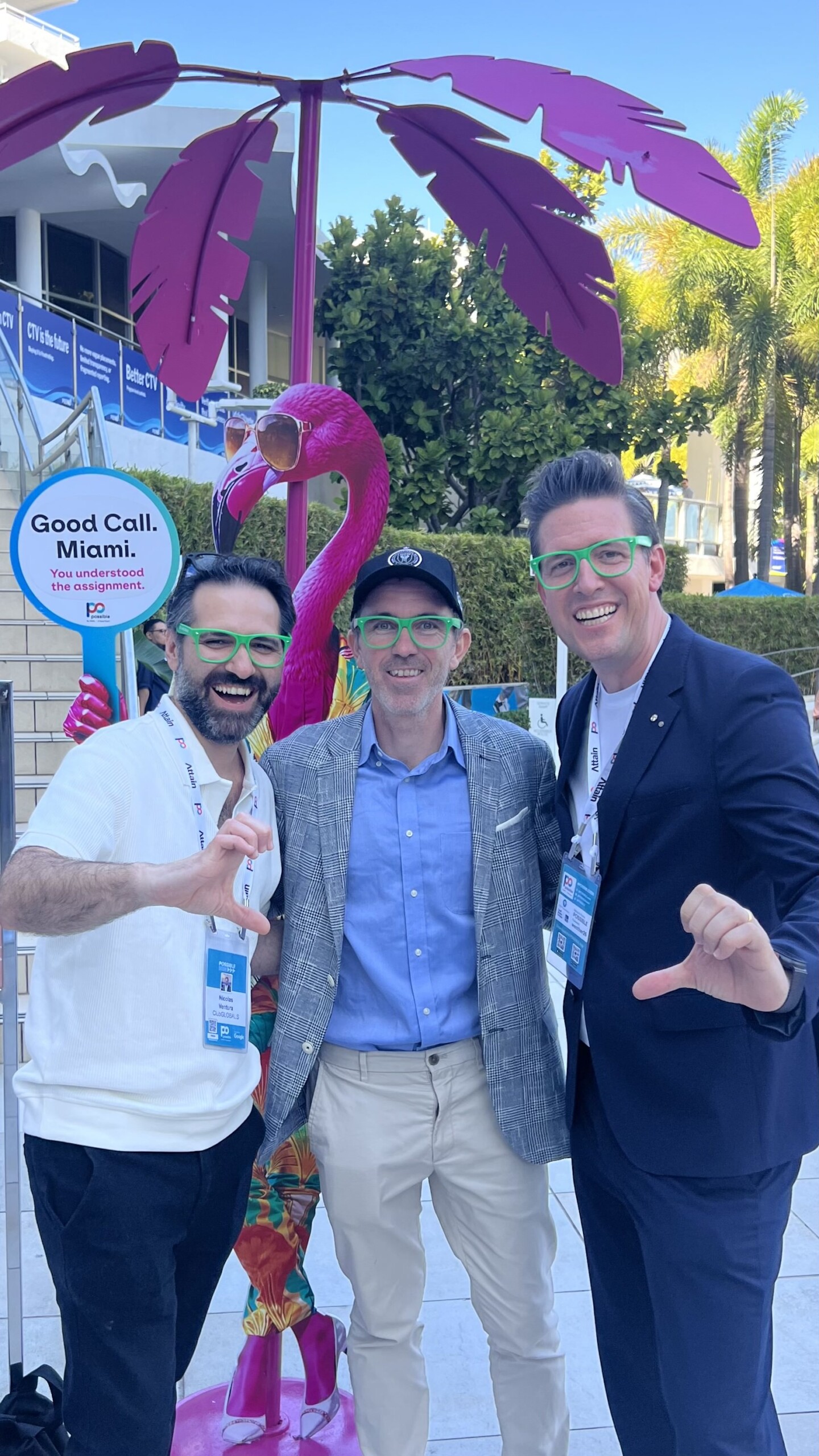
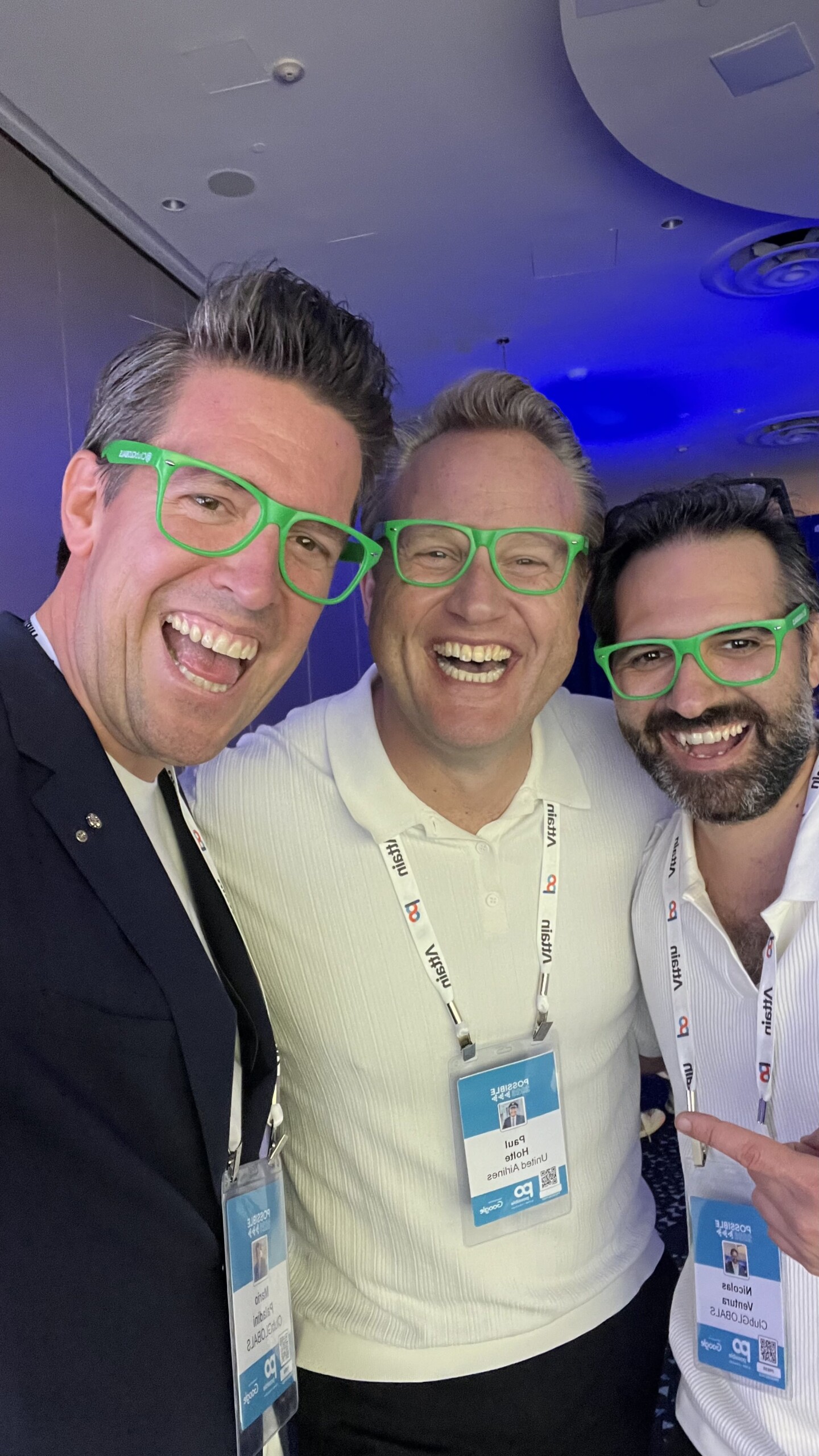
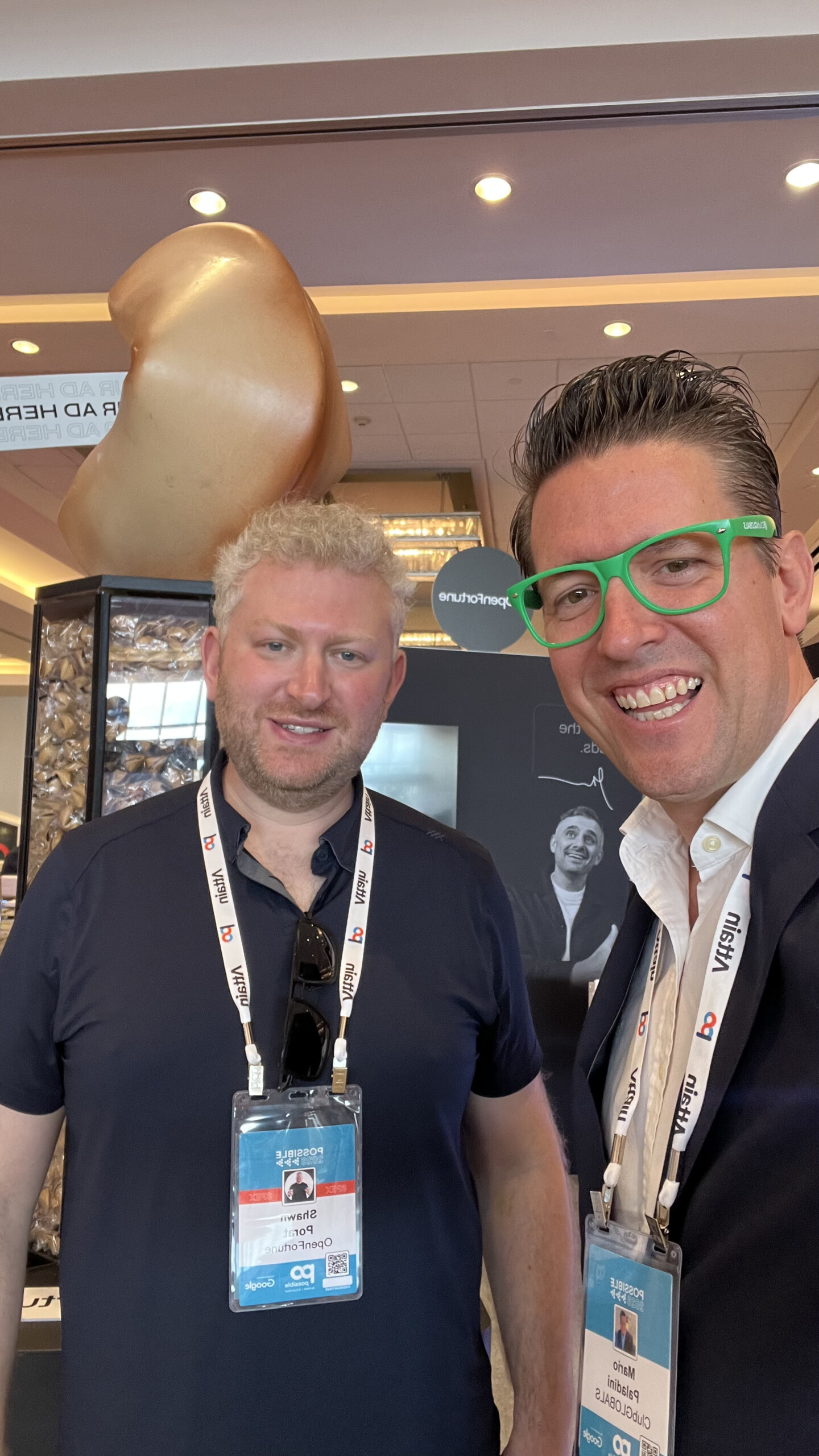
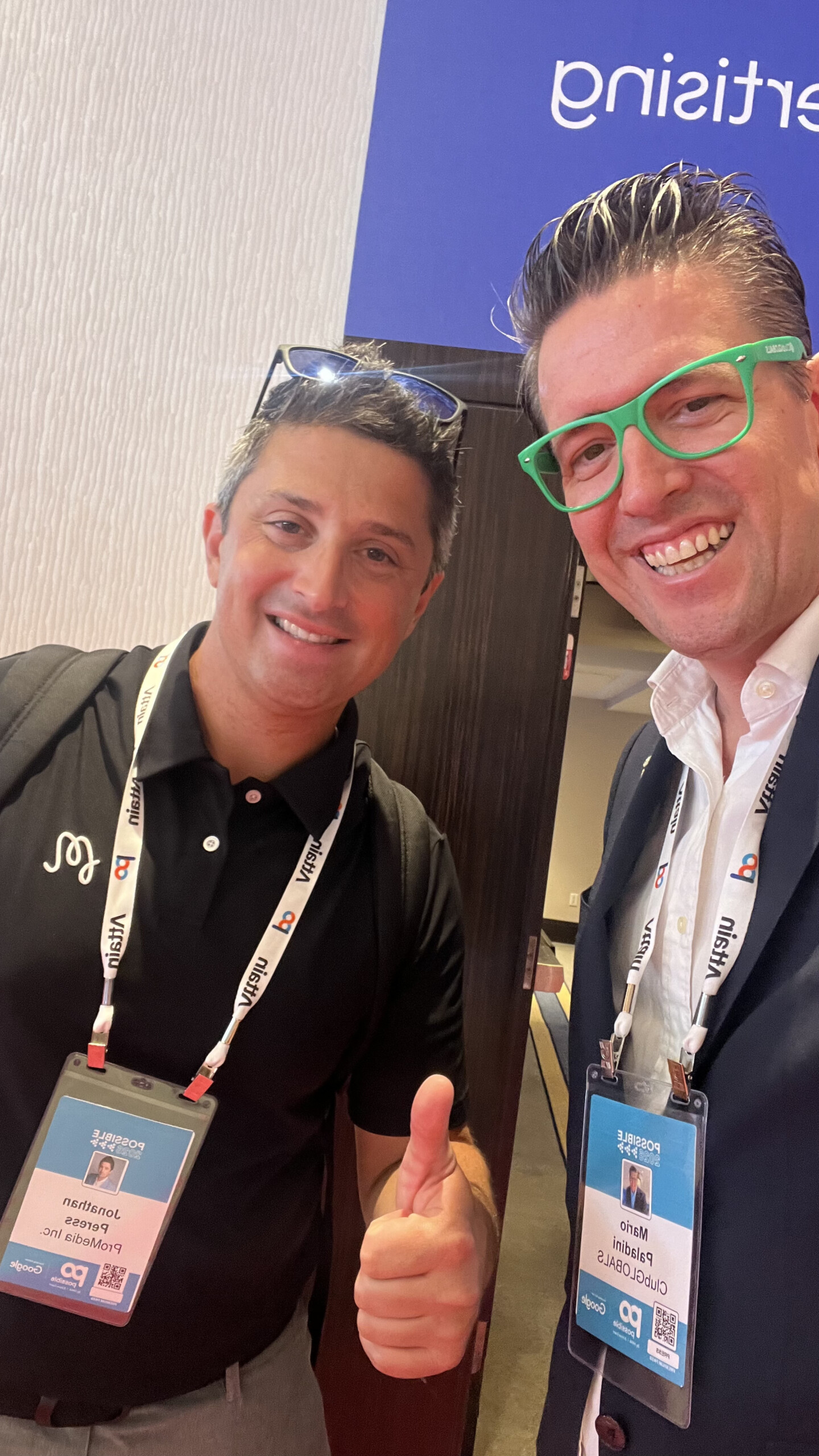
POSSIBLE 2026 ran from April 27 to 29, 2026, across Fontainebleau Miami Beach and Eden Roc Miami Beach. The event brought together brands, agencies, media companies, platforms, creators and technology leaders for three days of programming around the future of marketing, media and culture.
For GLOBALS, POSSIBLE became one of the more revealing stops in Miami. Founders often arrive at events looking for capital. They leave realizing they also need a clearer story, a better room, and a reason for the market to remember them.
POSSIBLE lived inside that tension.
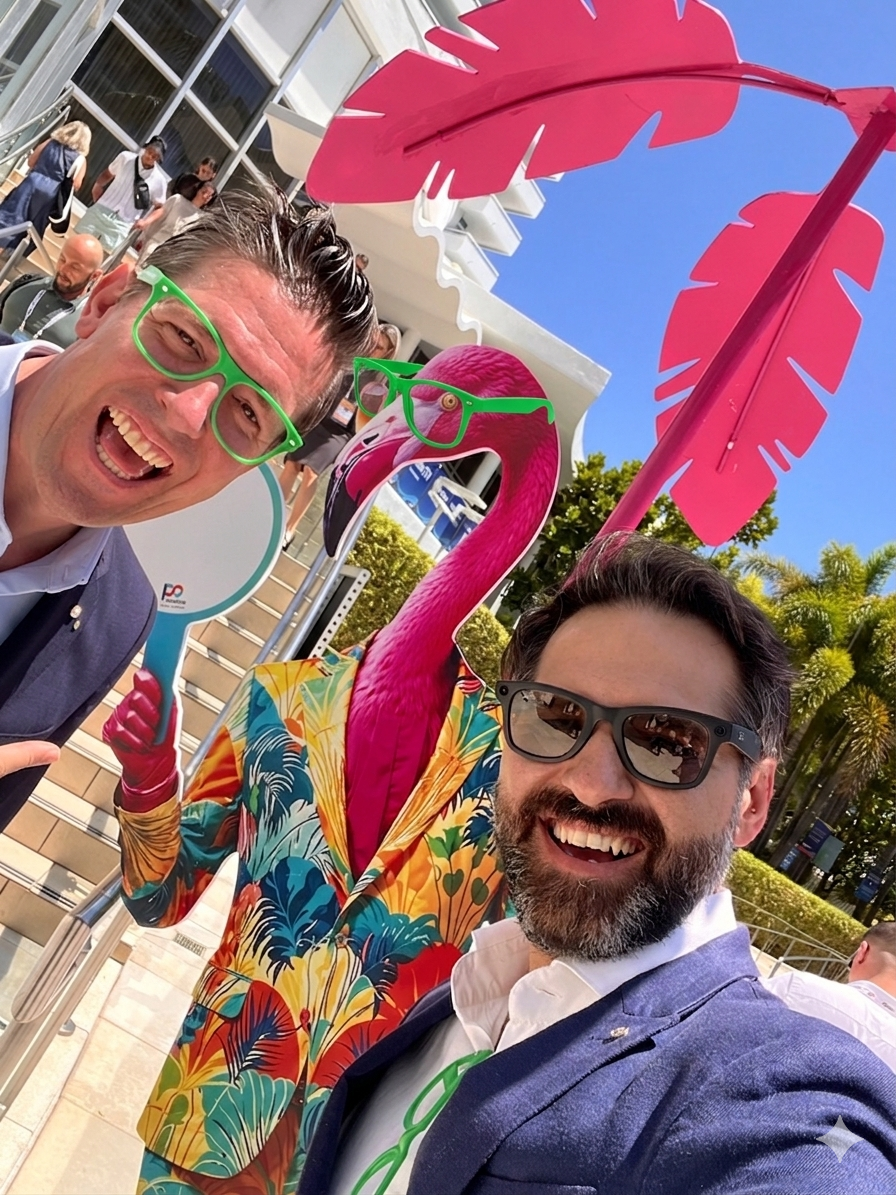
The city became part of the event
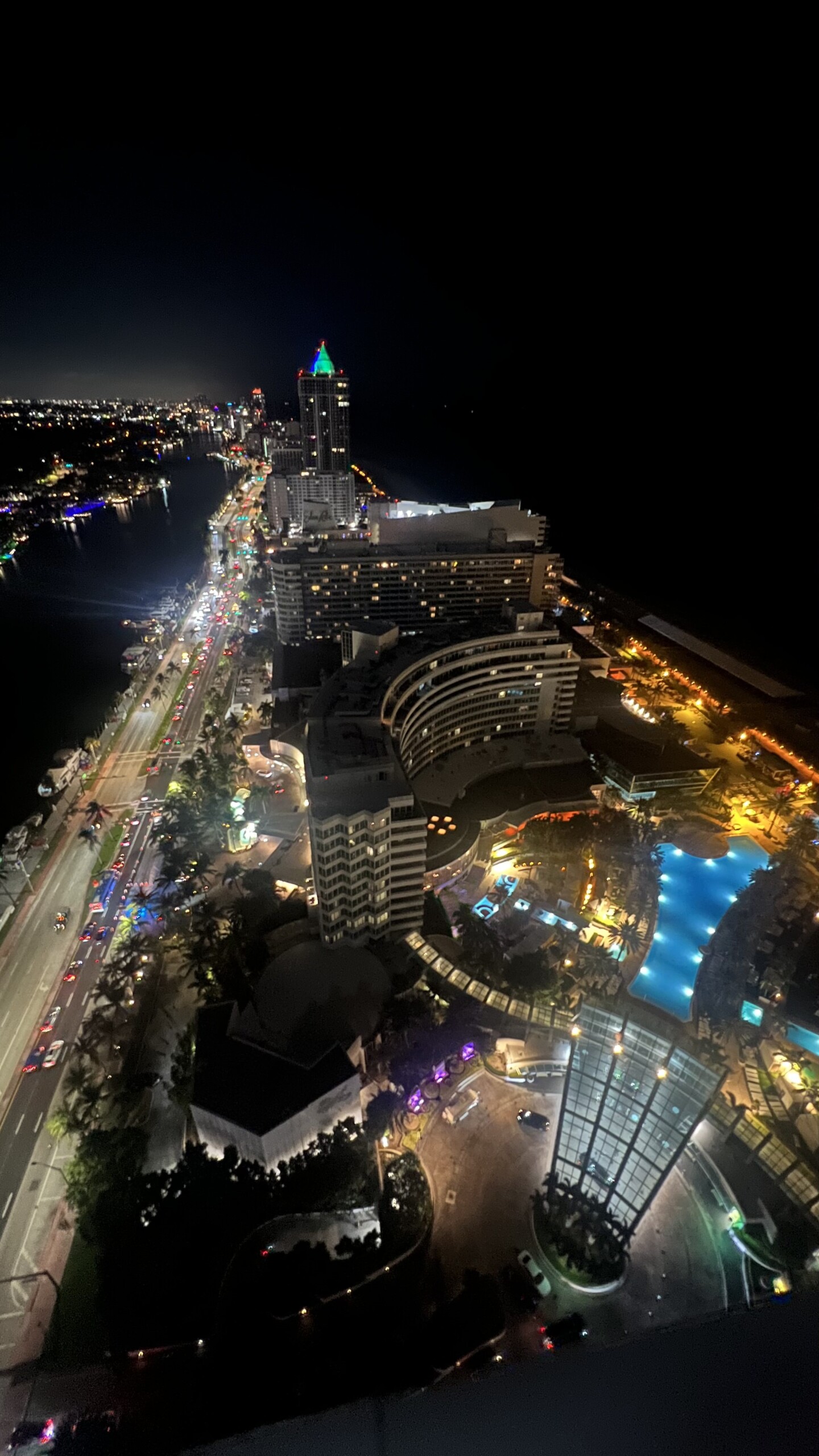
Fontainebleau and Eden Roc gave POSSIBLE its official campus. Miami Beach gave it the rest.
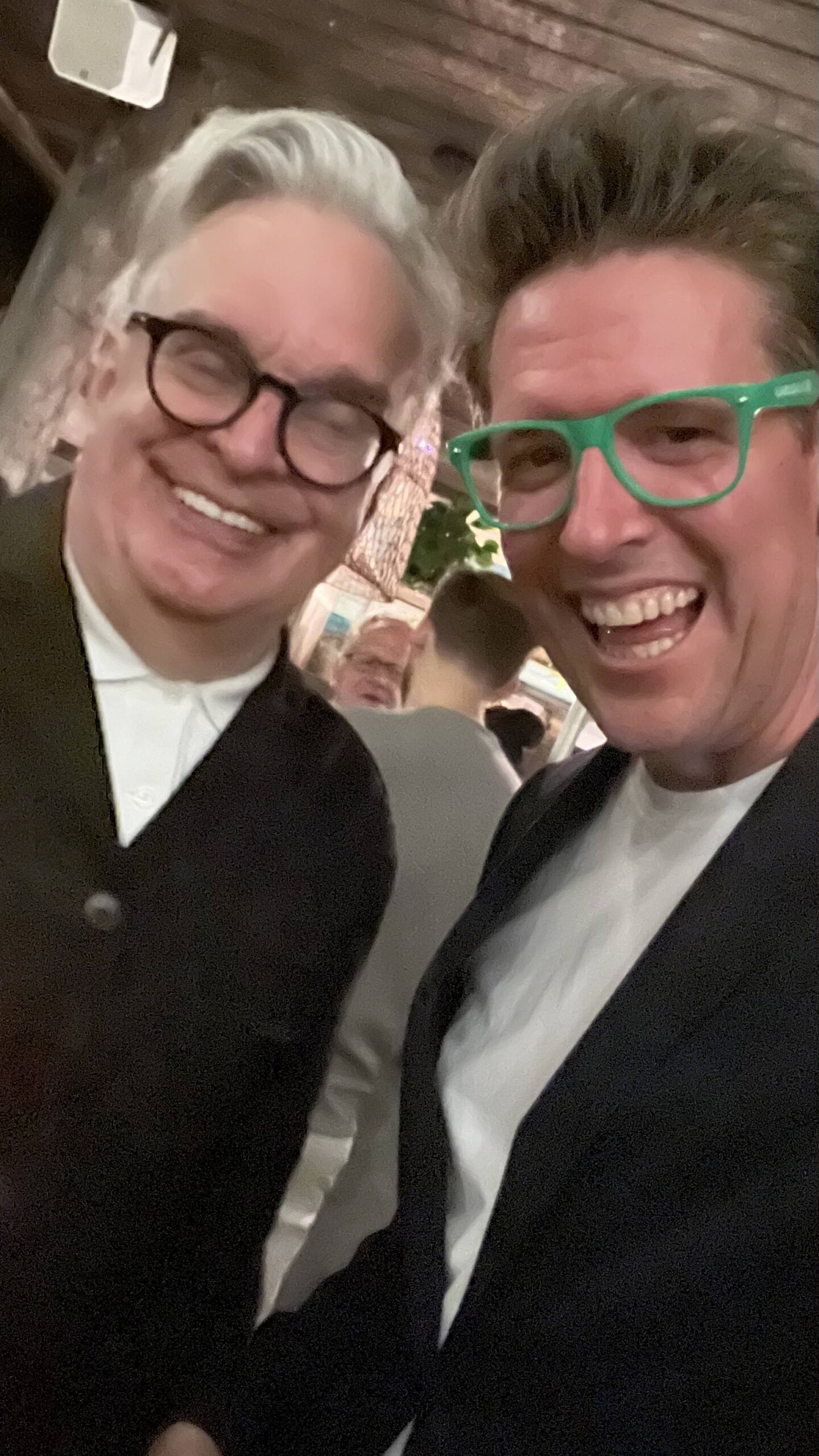
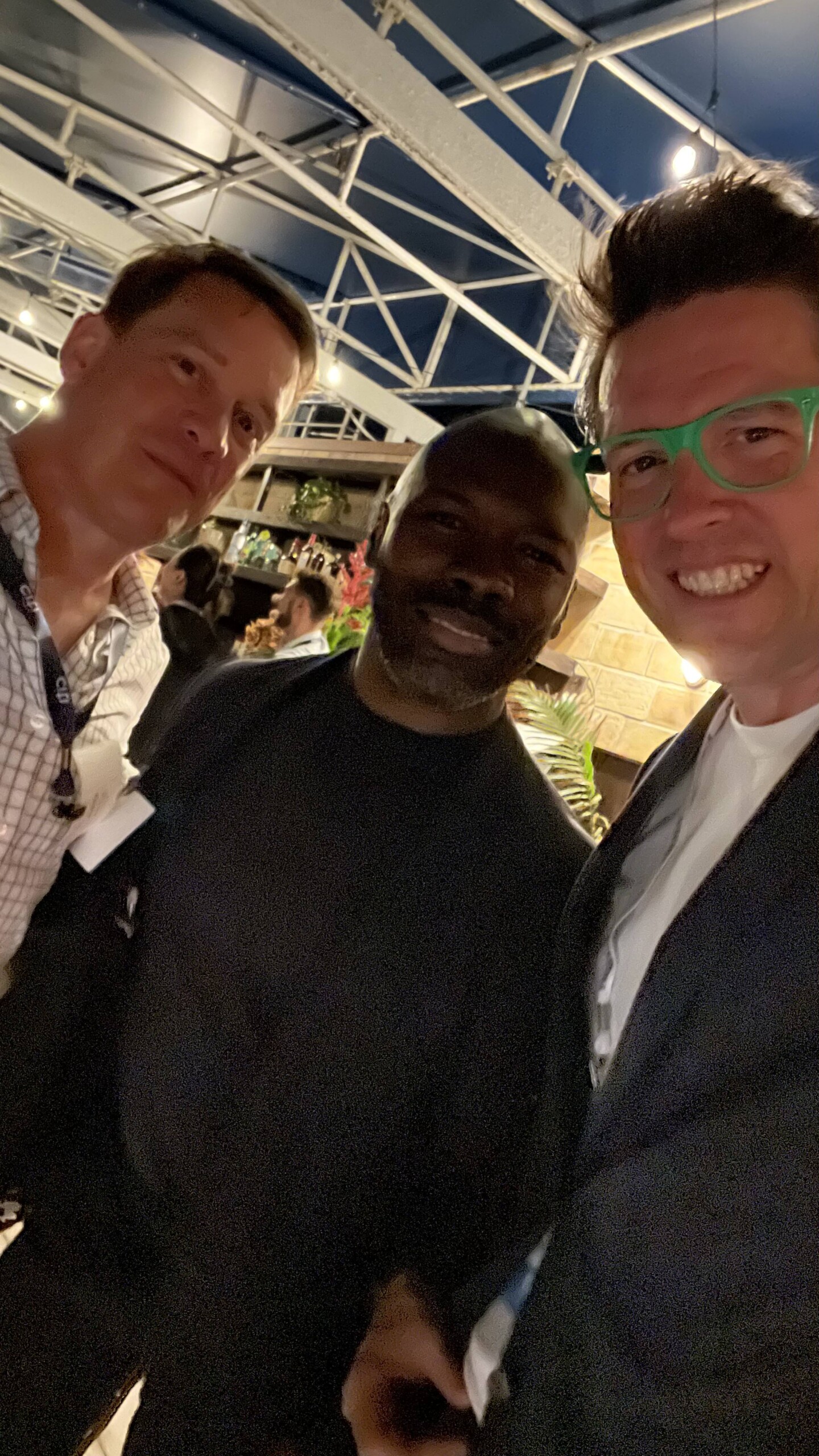
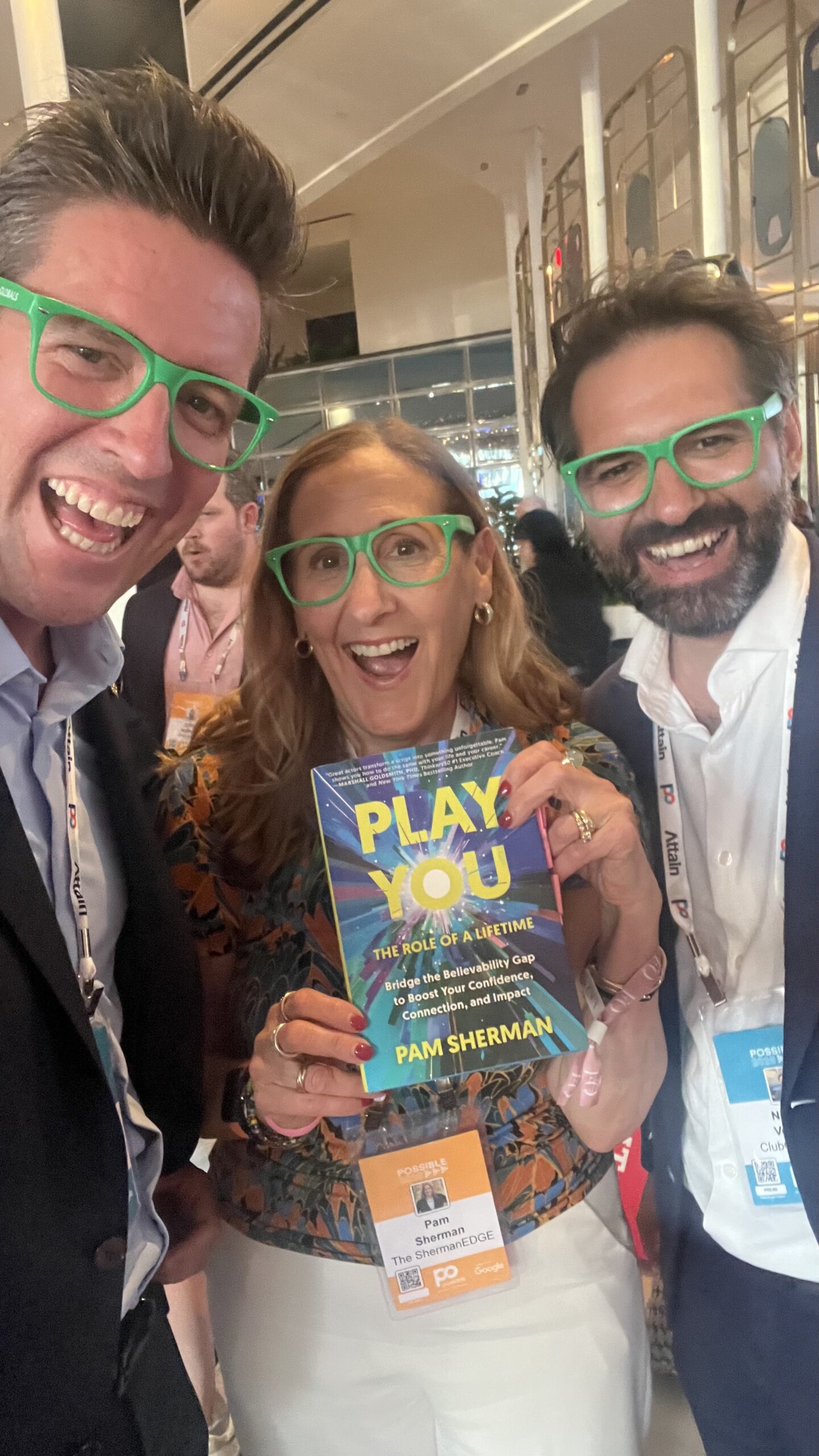
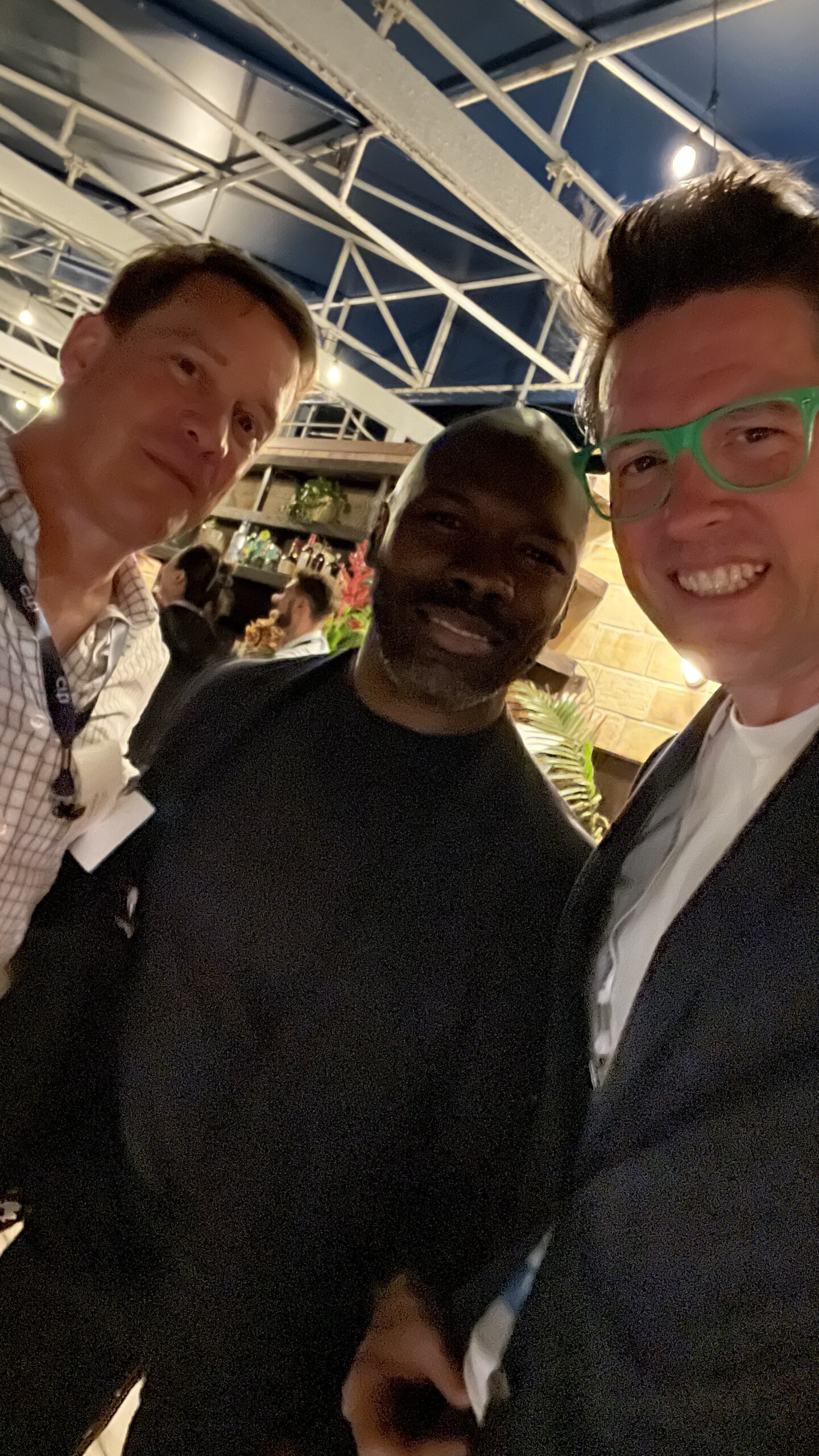
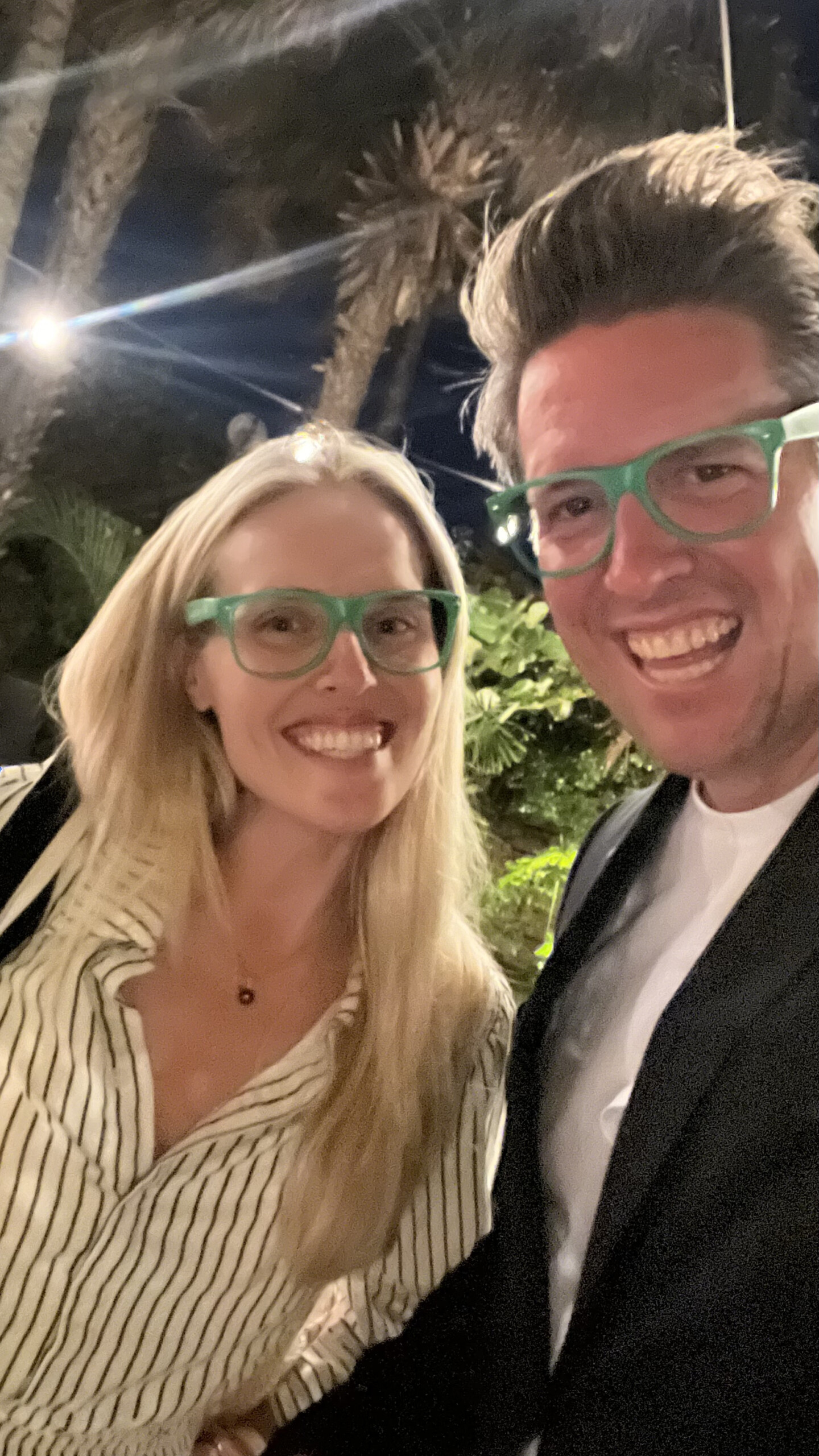
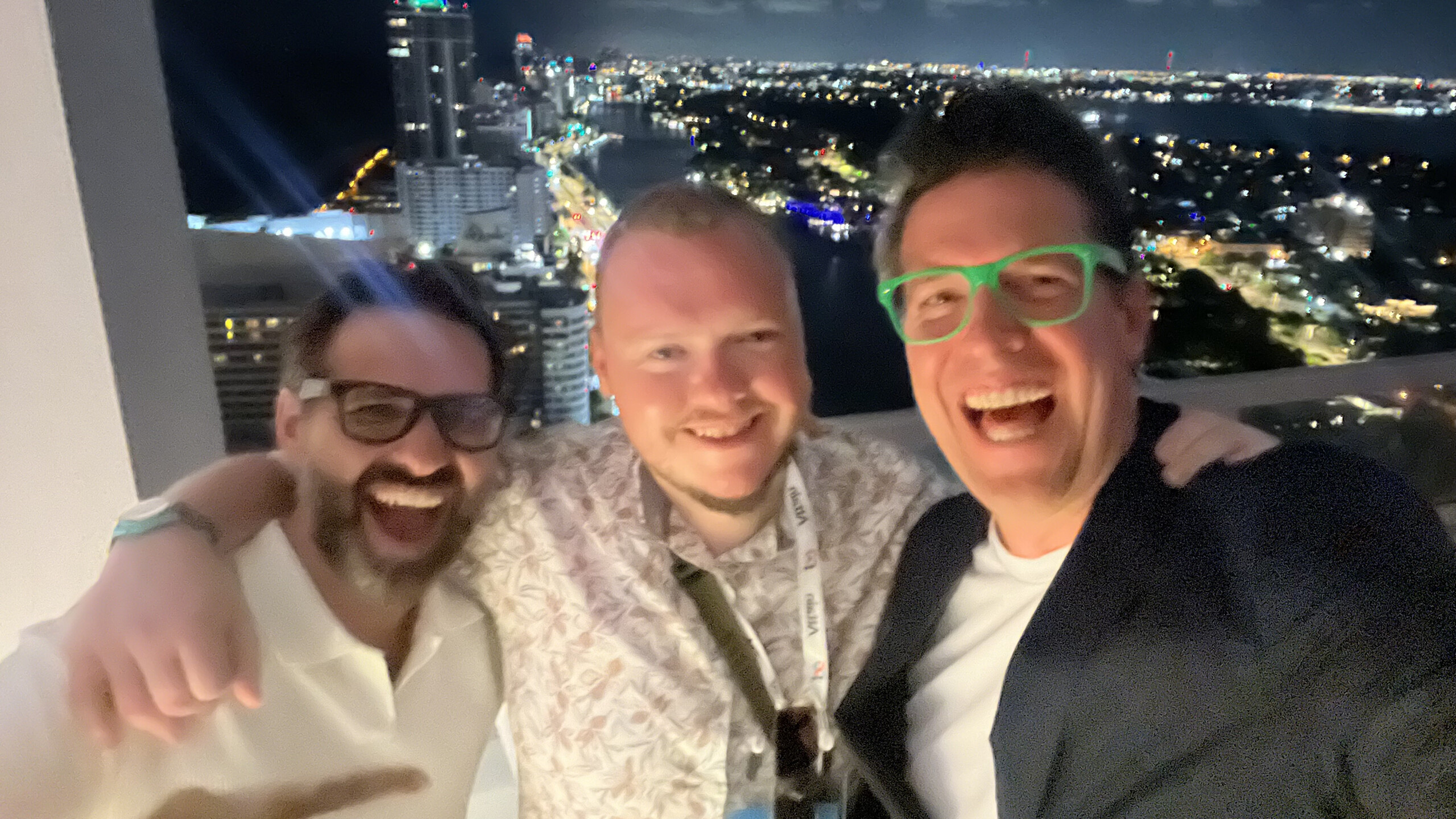
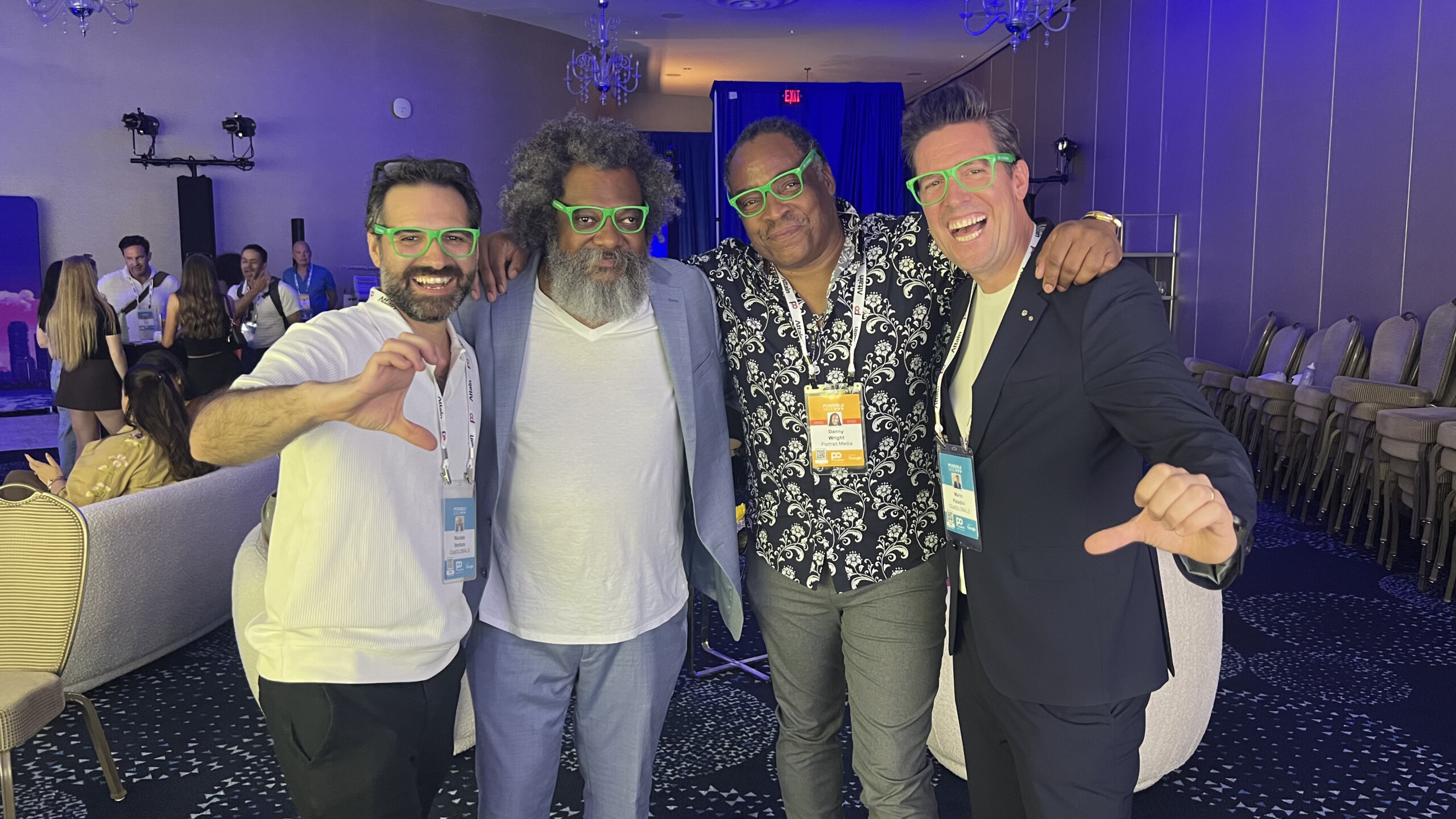
The day moved through stages, lounges, corridors, coffee lines, beachside conversations, rooftops, private dinners and late-night rooms. This is where POSSIBLE found its rhythm. It did not feel like an event sealed inside a convention center. It spread into the city’s social architecture.
Miami is good at this. It knows how to turn business into motion.
People were not only listening to panels. They were reading each other. Who had budget? Who had taste? Who was serious? Who was performing seriousness? Who knew the room? Who could move through it without pushing too hard?
In a marketing event, those signals are part of the content.
POSSIBLE’s own framing is built around that mix: brands, agencies, media, creative, culture and technology meeting through programming, experiences and business conversations. The best parts of the week came when those categories stopped behaving like separate industries.
Building across borders? Estonia has the paperwork covered.
Miami showed what founders want: access, speed and fewer borders in the way. e-Residency of Estonia, a Club GLOBALS partner, helps international entrepreneurs explore how to run a trusted EU company online, sign documents digitally and operate with less administrative drag.
Meet the e-Residency representative
The side-event map carried the pulse
The official program gave the event structure. The side-event layer gave it life.
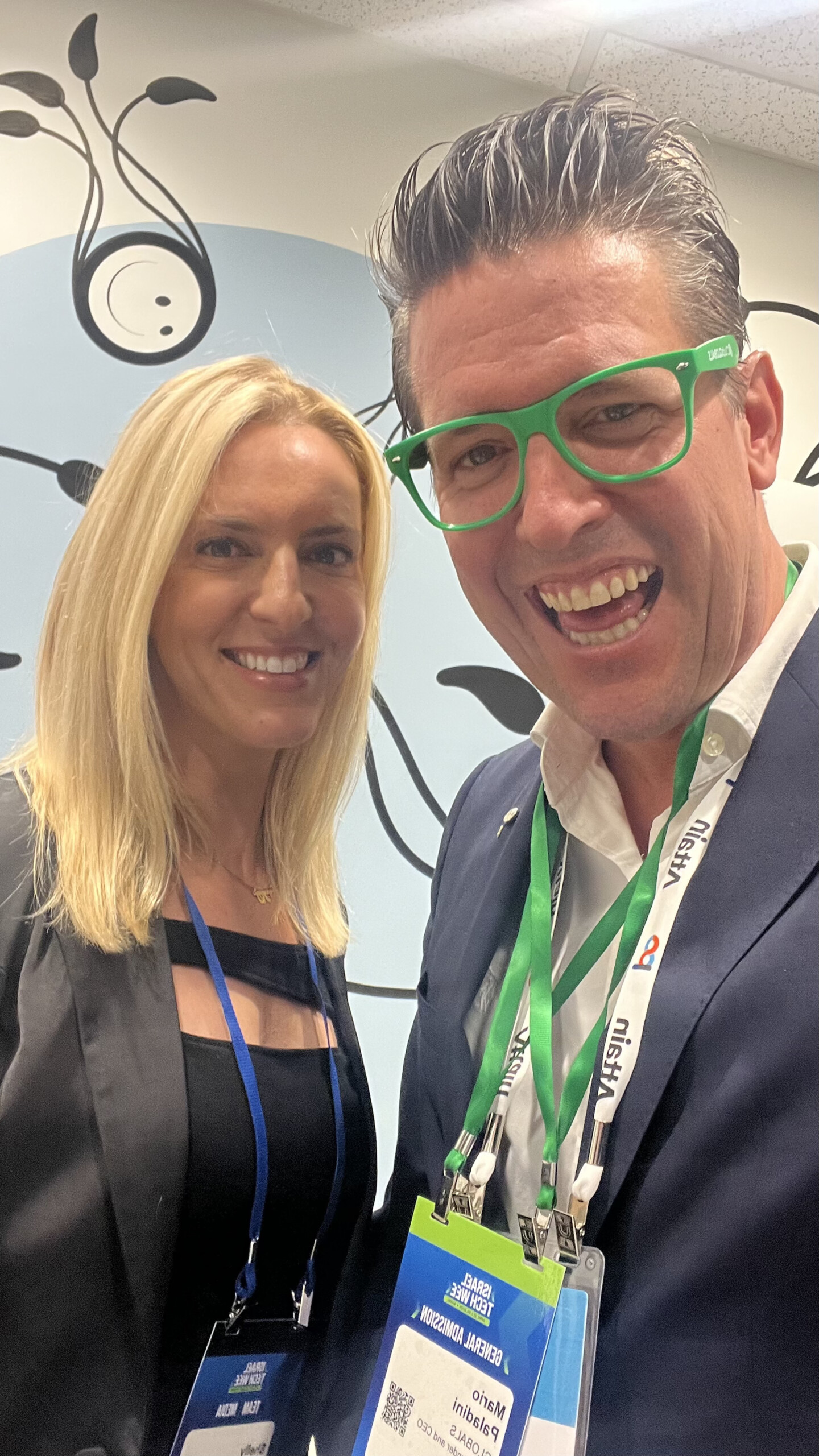
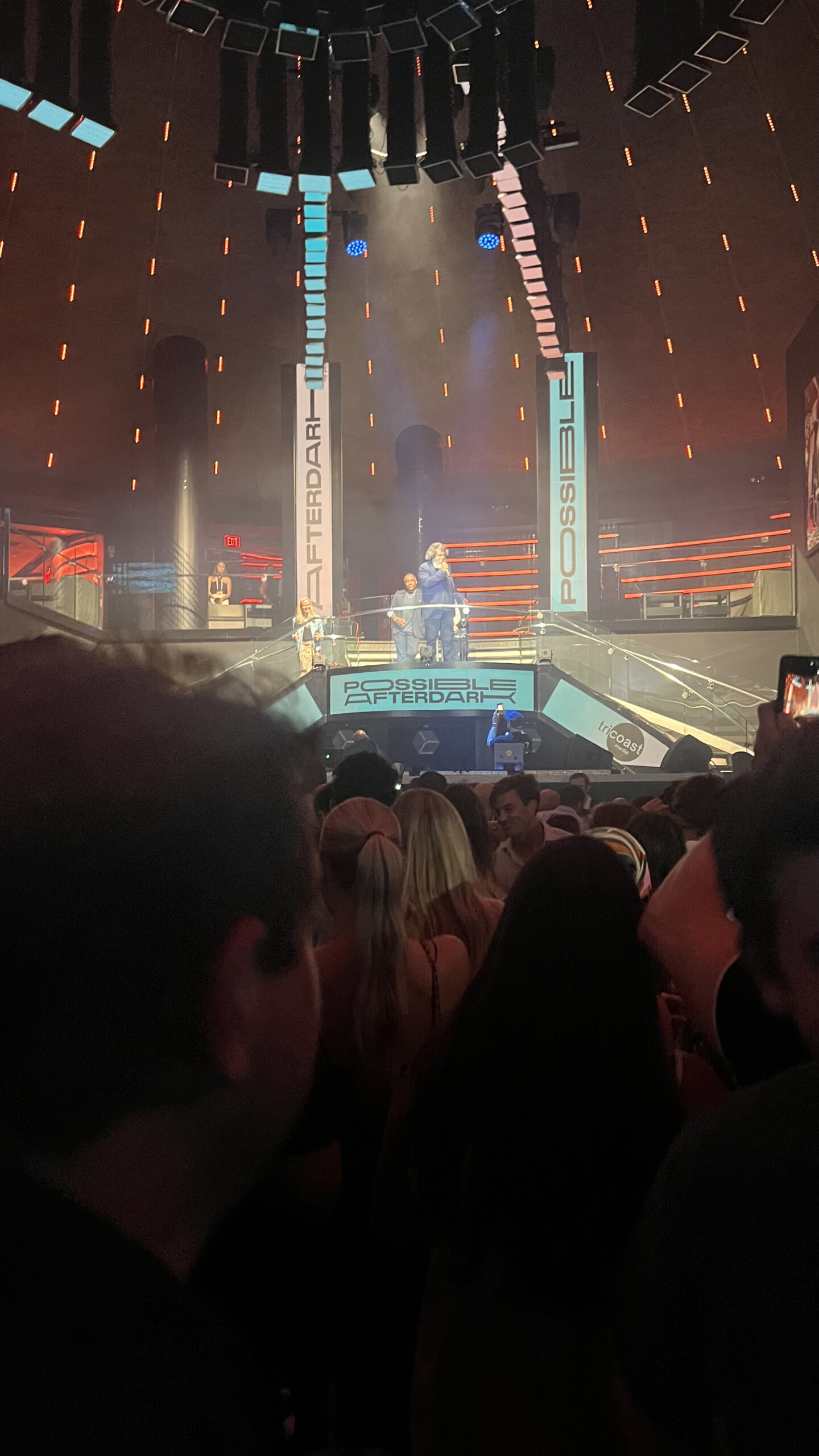
Around POSSIBLE, there were welcome drinks, beach activities, FQ Lounge, women-in-media gatherings, ADWEEK House, POSSIBLE After Dark at LIV, dinners, workshops, commerce media events and closing gatherings. A public side-event guide tracked many of these activations around the main conference.
This is where Miami becomes hard to cover from a distance. The public agenda tells you where people are supposed to be. The side rooms tell you where the week is actually moving.
GLOBALS followed that second map.
We were looking less for polished declarations and more for scenes. The rooms where people stayed a little longer. The moments where the industry stopped explaining itself and simply showed what it valued.
Sunday: arrival, recalibration, first signals
Sunday had the feel of a soft opening.
People were coming off the previous Miami Tech Week wave. Some were fresh. Many were not. You could see the fatigue in the lobby conversations and the ambition in the way people kept saying yes to one more invite.
The early drinks and informal gatherings helped people reset. The smart attendees were not trying to cover everything. They were building a route.
That became one of the useful observations from POSSIBLE: the best conference strategy is selective. The people who got value from the week had already decided which rooms were worth their energy.
Founders should study that.
A busy calendar can make you feel productive while quietly destroying your focus. POSSIBLE had enough going on to reward discipline and punish randomness.
The rooftop layer: quieter rooms, better conversations
One of the warmer formats around the event was the rooftop and brunch circuit, including a Rooftop Terrace Brunch for Women in Media listed around POSSIBLE. The event guide described it as a Monday morning gathering with breakfast, curated introductions, headshots and a slower networking setting.
Those slower rooms changed the tone.
On the main floor, people scan. They check badges. They make quick calculations. The body language is fast.
On a rooftop, people breathe. They sit long enough to finish a sentence. The conversation becomes less defensive. You hear the real questions underneath the official job titles.
GLOBALS works in matchmaking, so this point stayed with us. A good introduction is not only about the two people. It is also about the conditions around them. A noisy room creates one kind of relationship. A breakfast creates another. A dinner creates another. A nightclub creates another.
POSSIBLE understood the value of changing the room before changing the conversation.
FQ Lounge: Angela Hunte and the room that knew the words
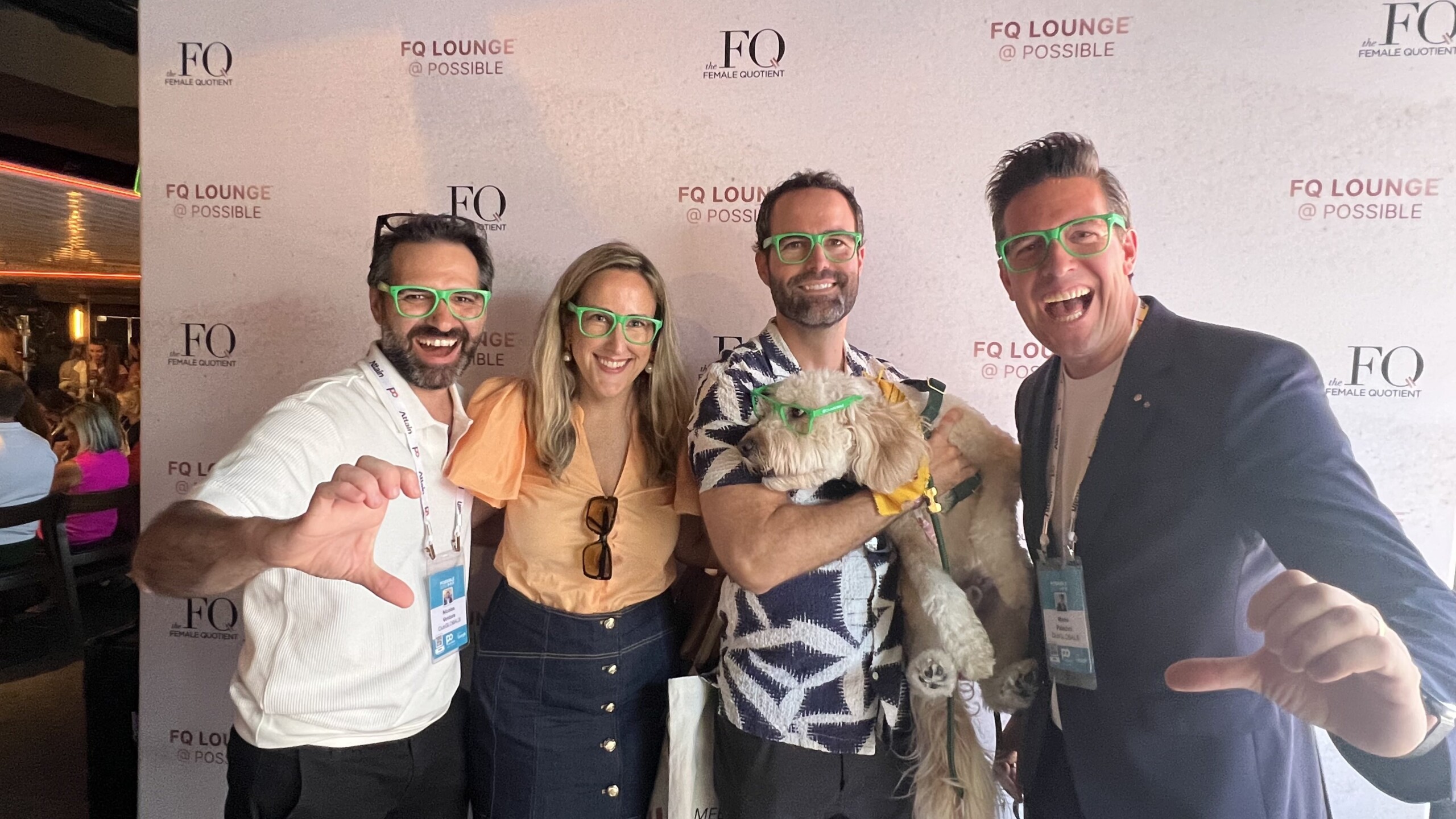
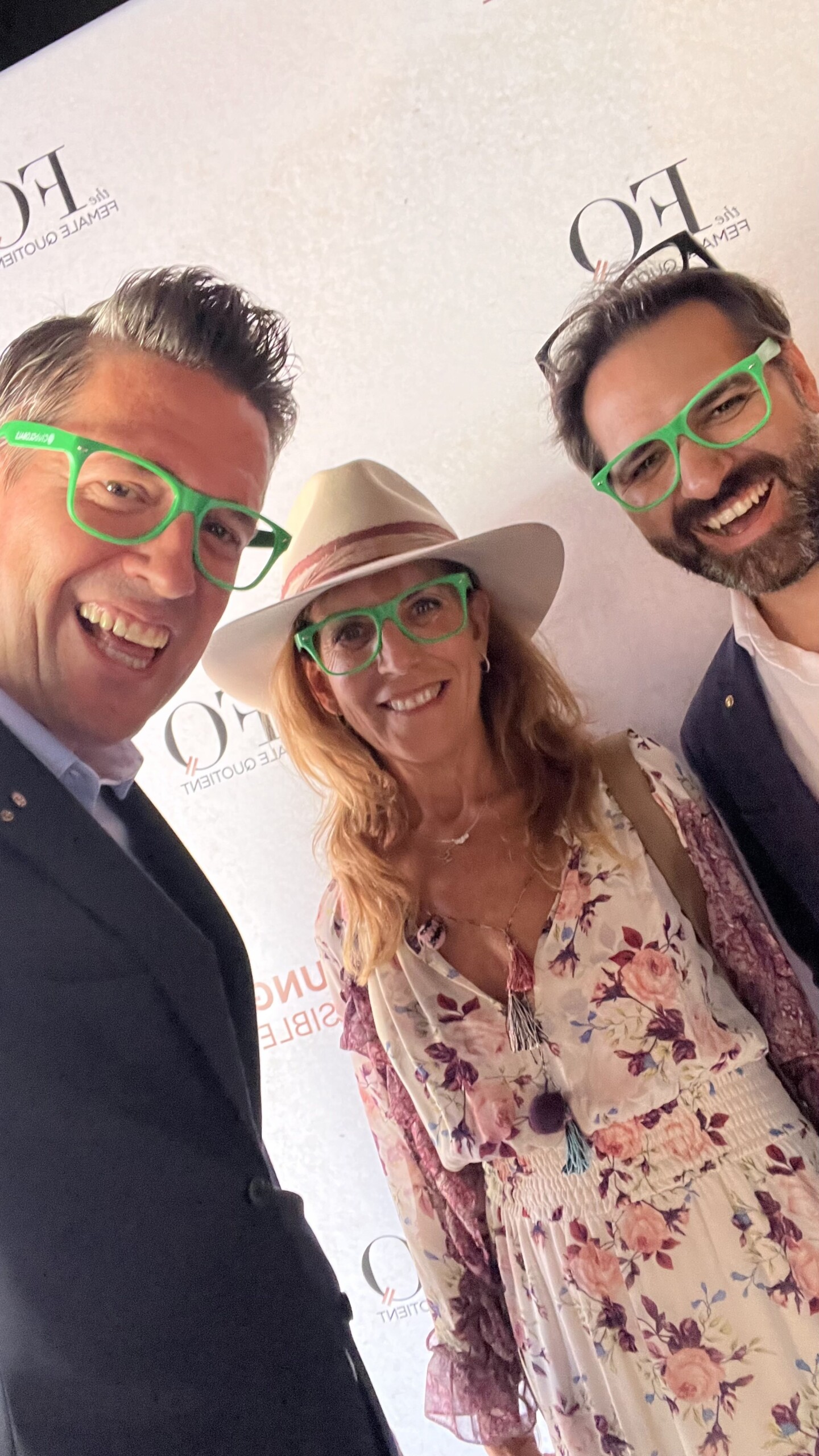
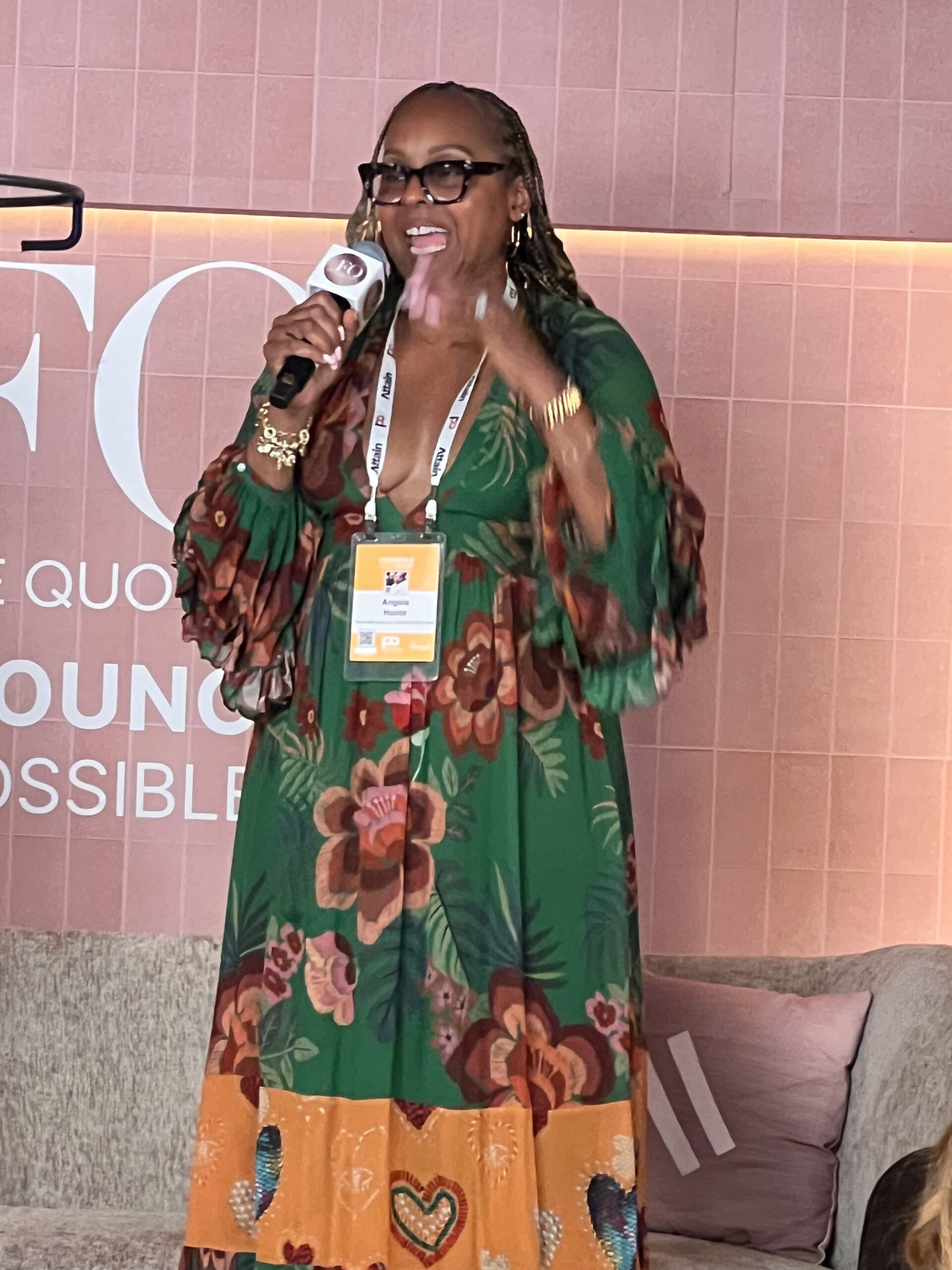
The most memorable moment we saw at POSSIBLE happened inside FQ Lounge, The Female Quotient’s space at the event.
Angela Hunte was there.
She is one of the writers of “Empire State of Mind,” the Jay-Z and Alicia Keys anthem that became almost inseparable from New York itself. The song began with Hunte and Janet “Jnay” Sewell Ulepic, two New Yorkers writing from London while missing home. It later became Jay-Z’s first No. 1 on the Billboard Hot 100 and won two Grammy Awards.
At FQ Lounge, Hunte did not need a grand production. She had the room sing.
People joined in quickly. Not politely. Not in the forced way conference audiences sometimes clap because a moderator tells them to bring energy. They knew the words.
For a few minutes, POSSIBLE stopped behaving like an industry gathering. It became a room full of people remembering ambition through a song.
A panel can talk about cultural relevance for an hour and leave the audience untouched. A songwriter can bring up the first lines of a song, and the room does the rest.
There was a lesson in that scene, but it did not need to announce itself.
A song travels when people feel some ownership of it. Brands spend years trying to earn that privilege. Founders spend years trying to create something people repeat without being paid to repeat it.
The word marketers use is resonance. The room used a chorus.
FQ Lounge and the cultural layer
The Female Quotient’s POSSIBLE program included conversations around leadership, media, influence, opportunity and culture, including a session titled “The Women and Voices Fueling Latin Music’s Cultural Takeover.”
That theme sat naturally in Miami.
Latin music has become one of the clearest examples of how culture moves now: across language, geography, platforms, diaspora communities, cities, brands and generations. Marketers want to reach it. Many still approach it with blunt instruments.
The strongest cultural moments at POSSIBLE were the ones that did not flatten identity into a target segment. Angela Hunte’s singalong worked because it came from lived memory, not campaign language.
For GLOBALS, with our focus on Southern Europe, Latin America and global tech leaders, that point felt close to home. Founders entering new markets face the same risk as brands entering culture. Translation is not enough. Presence is not enough. You have to listen long enough to understand what people already carry with them.

Miami was the handshake. Valencia is where the next deals can happen.
After Startup OLE Miami, the bridge continues at Valencia Digital Summit, one of Southern Europe’s most relevant stages for startups, investors, corporates and tech leaders. Through Club GLOBALS, founders and partners can explore opportunities to attend, speak, sponsor or build visibility at VDS.



The corporate blind spot
Across dozens of conversations at POSSIBLE, one tension kept returning. This was a room built for major brands, agencies, platforms and Fortune 500-style organizations: big budgets, big teams, big approval chains, big brand-safety concerns and long production habits. Their world moves differently from the startup rooms we had been in earlier that week. Slower pace. Heavier politics. More people involved in every decision. More reasons to wait.
Some were asking the right questions about AI. Many were still protecting the old idea of creative exceptionalism, as if the machine has to defeat the greatest human imagination before it becomes dangerous. That is the wrong benchmark. Most commercial work is not genius. It is process, references, taste, timing, iteration and distribution. Humans have copied, remixed and improved on each other for centuries. We call it references. We call it inspiration. We call it evolution. AI can become Picasso? Mmm perhaps… but can AI become better than the average team producing average work through a slow system?
Well, that’s where agents change the game. A creative AI can generate a script, a visual, a landing page or a campaign concept. An agentic system can start connecting the entire operating chain: research the audience, scan competitors, draft creative directions, generate assets, personalize by segment, schedule distribution, run A/B tests, monitor performance, adjust messaging, trigger follow-ups, brief sales, update the CRM and prepare the next iteration. One agent researches the market. Another drafts the creative route. Another generates the assets. Another distributes. Another reads results. Another prepares the next test before the weekly meeting has even started.
This is the process disruption many leaders are underestimating. A campaign that used to move through five departments and three approval cycles may soon be handled by a small team supervising a network of agents. Human judgment remains in the loop, but the loop gets faster, smaller and more ruthless. If AI can produce middle-quality work at enormous speed, and agents can distribute and optimize it continuously, how much of today’s agency and corporate machinery still deserves to exist? Give that question a year of maturity.
Great humans will survive this. The rare people with original taste, emotional intelligence, strategic nerve, humor, courage and timing will become more valuable. But everyone should be careful before assuming they belong to that category. What makes you special? What do you see that others miss? What judgment do you bring that a trained system cannot approximate? What taste do you have beyond references recycled from the same cultural archive everyone else uses?
Outside, people were taking the sun on Miami Beach but the wave is already forming: agentic AI, hardware acceleration, and massive datasets created by millions of people using free AI tools every day. AI is not waiting in a lab anymore, it is learning in public.
The hardest hit will land on those who confuse yesterday’s dominance with tomorrow’s immunity.
The GLOBALS take
POSSIBLE completed our Miami story, but not in the comfortable way.
Startup OLÉ helped frame the founder bridge. eMerge showed the scale of the tech ecosystem. Mana Tech brought the international corridor into focus.
POSSIBLE showed the corporate marketing world standing at the edge of a much faster future.
There was beauty in the week: FQ Lounge, Angela Hunte making the room sing, rooftop conversations, LIV after dark, sharp operators, smart brand leaders, good people trying to make sense of a changing industry.
There was also denial. Not loud denial. Not stupidity. Something more dangerous: confidence.
The confidence of industries that still believe change will ask permission.
At GLOBALS, we are used to moving through rooms where innovation is latent, where disruption sits underneath every conversation. POSSIBLE felt different. It exposed the marketing layer of a world where personal data is already used at every level of advertising: targeting, segmentation, measurement, retargeting, attribution, personalization, audience modeling, media buying, customer journeys and creative optimization.
We know this, of course. Everyone in the industry knows it. But seeing it concentrated in one place was still shocking. The scale of the data machine was visible. The language was polished, the stages were elegant, the beach was beautiful, but underneath it all was a system built on knowing, predicting and influencing people with increasing precision.
And yet, in some conversations, AI was still treated too narrowly. Too often, it appeared as a tool for images, assets and production shortcuts, not as a full operating shift. AI will not only make advertising faster. It will connect with the data machine that already exists. It will read, segment, generate, distribute, test and optimize. Then agents will coordinate the chain. Creation, targeting, delivery, measurement and follow-up will begin to compress into systems that move faster than many corporate structures can understand, let alone govern.
Miami Beach gave POSSIBLE a beautiful setting. Maybe too beautiful. At times, it felt like watching people sunbathe while the water pulled back from the shore.
The tsunami metaphor is dramatic, but it fits. Not because everything will be destroyed. Because the people who survive a wave are usually the ones who stop admiring the horizon early enough to move.
And there, GLOBALS founders, you have a huge opportunity. POSSIBLE was green: money, brands, influence everywhere. But parts of the room were still lost. When the market has budget but no map, builders who understand the shift can move first.
Are you ready to start GLOBALS on Tour?
GLOBALS on Tour is a global networking series designed to connect startups, investors, and industry pioneers ahead of the GLOBALS Tech Festival in Barcelona. The journey kicked off in Porto Alegre as the first stop in a series of networking events leading up to the festival on February 28, 2027, in Barcelona! Now we are continuing our journey!
📍 Check Next destination
🎟️ Join Club GLOBALS for Exclusive Access
Hop on the tour — See you in around the GLOBE!