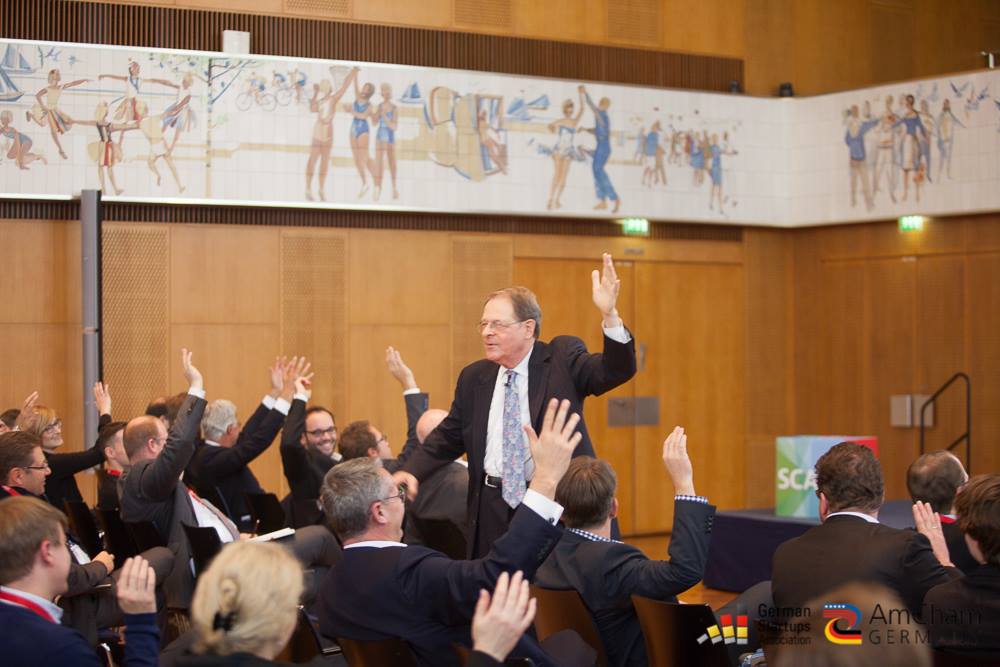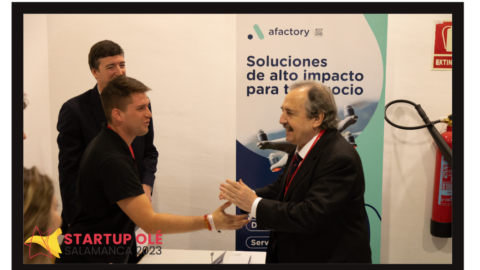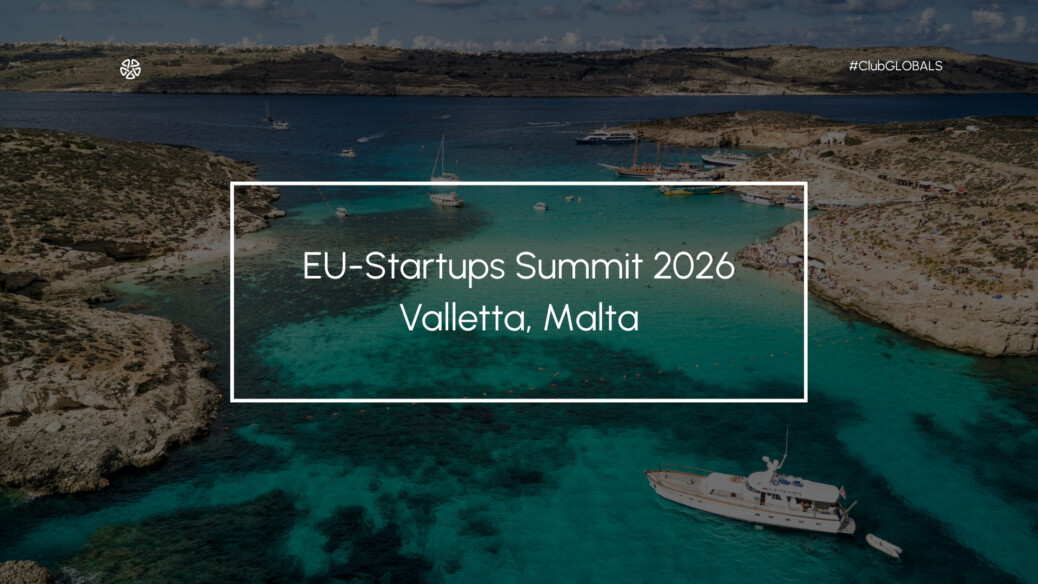
The EU-Startups Summit 2026 closed in Malta with the kind of numbers that startup ecosystems like to quote: two days, more than 2,400 founders, investors, startup operators, and innovation leaders, plus a Pitch Competition that drew more than 1,600 applications from across Europe. The official photos and footage are now live, giving attendees a second pass at the handshakes, stage moments, and corridor conversations that often disappear too quickly once the lanyards come off.
The headline winner was AlterEcho, a Danish startup founded in 2025 and building robotic avatars and AI agents for life sciences environments. Its promise is practical and ambitious: let skilled operators work remotely in cleanrooms and hazardous settings while reducing contamination risk in pharmaceutical and medical workflows. The company’s system supports tasks including pipetting, plate handling, microscopy preparation, sterile compounding, and hazardous sample preparation, while keeping human operators in control through immersive interfaces.

The programme moved between policy, AI, capital, and founder reality
The Main Stage carried the big ecosystem questions. Europe-wide legal entity challenges. Bootstrapping. The scale-up jump from $10 million to $1 billion ARR. HealthTech growth. AI and the future of work. Hiring in the AI era. Venture capital trends. Enterprise negotiations. Investors on stage. The Global Startup Awards. It was a programme built around the pressure points founders are already feeling: talent, capital, regulation, AI adoption, international growth and operational discipline.
The Growth Stage had the more tactical pulse. Startup communication. Search in the AI era. AI agents. Customer experience across markets. Founder mental health. Founder-led sales. Expansion into China. Launching and scaling in Malta. PR and branding. Capital without structure. The room there felt closer to the founder’s calendar: what to say, who to sell to, how to stay sane, how to raise, how to avoid building noise instead of a company.
Day 2 sharpened the finance and execution themes. The Main Stage moved through enterprise AI, European space innovation, startup media, the Pitch Competition, culture at scale, profitability without VC, and fintech for global communities. The Growth Stage went straight into the hard middle of company building: Europe’s financing gap, innovation funding, fundraising follow-ups, crowdfunding, investor syndicates, angel investing, and co-founder matching.
The AI thread was everywhere, but the better signal was not “AI is coming.” Founders already know that. The useful conversation was about how AI changes hiring, search visibility, enterprise sales, investor workflows, customer experience and the structure of the company itself.
The Pitch Competition gave the room pressure
The Pitch Competition was the competitive spine of the Summit, but it did not swallow the whole event.
More than 1,600 startups applied. Fifteen finalists made it to the Main Stage. The prize package passed €1 million in value, combining funding opportunities, cloud credits, accelerator access, software tools and startup support. The jury brought Angelo Burgarello from Look AI Ventures, Emilie Vallauri from Techstars, and Miguel Borg from Malta Venture Capital into the decision room.
AlterEcho won. The Danish startup is building robotic avatars and AI agents for life sciences environments, with a focus on remote work in cleanrooms and hazardous settings. Good winner, strong category, credible deeptech signal. But the bigger point was the finalist mix: CleanTech, DroneTech, HealthTech, AI, robotics, space and deeptech. That is where European founders are pushing now: fewer shallow software stories, more technical pressure, more regulated markets, more infrastructure problems.
GLOBALS On Tour: the pitch energy moved onto the bus
The strongest proof of the Summit’s energy came after the formal room started moving.
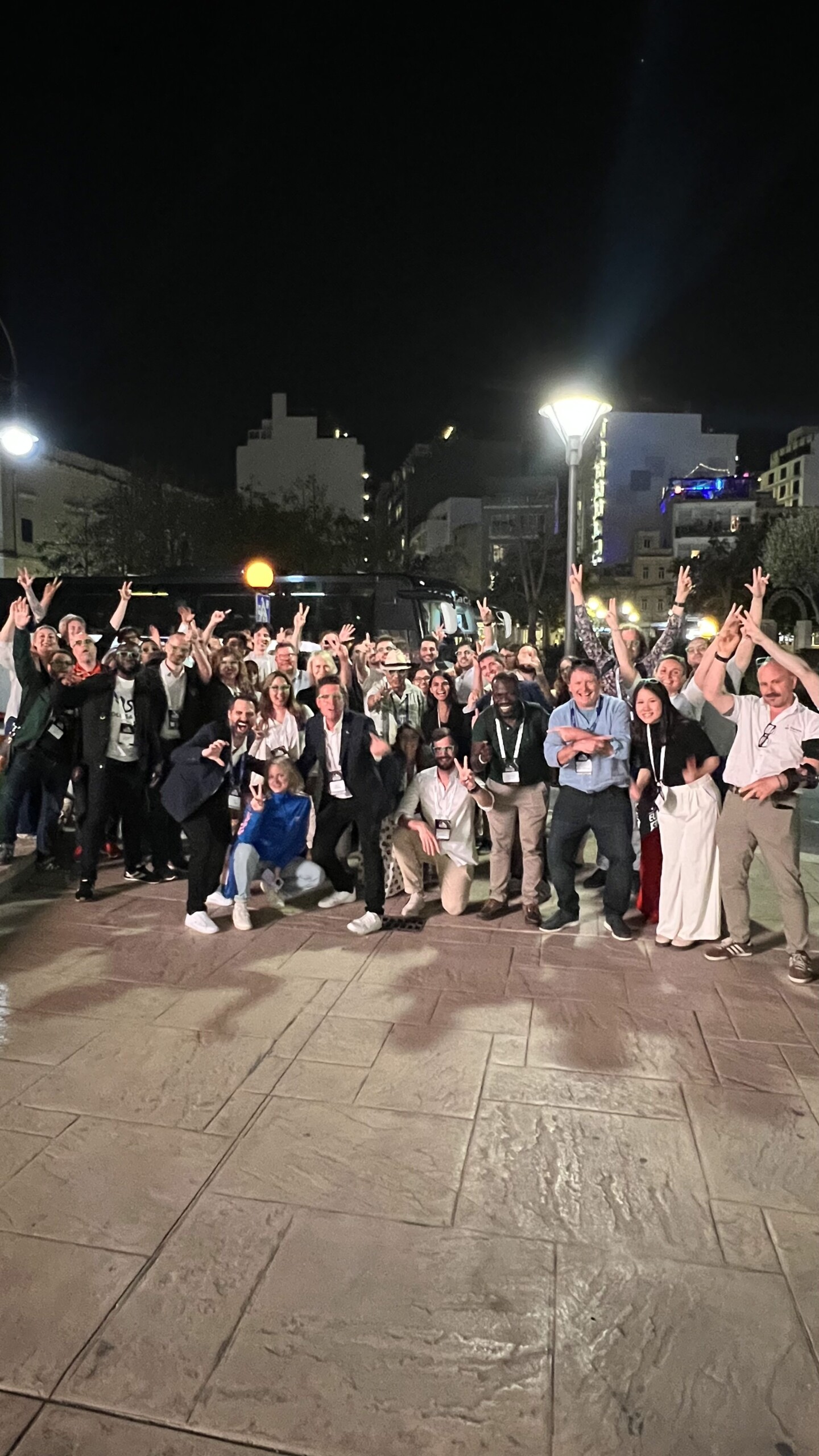
On the transfer from the conference to the side event, GLOBALS On Tour turned the bus into a pitch room. Around 40 entrepreneurs wanted to pitch. Only 20 got the chance.
It was not polished. That made it better. Founders had to compress the story fast. No long setup. No panel theatre. No time to hide behind slides. Just a moving bus, a live audience, and the pressure of making people care before the next stop.
The bus featured investors, partners and operators including Alexander Aabol from SuperCharger Ventures, Astghik Zakharyan, Co-founder of Startup Investor Accelerator, Christoph Sollich, The Pitch Doctor, Ian Katonka from Kylla Corporate Transactions / Kylla Capital Partners, Jessica Breitenfeld from Engage Team Training, Kristián Krejsa from JSK Investments, and Vivek Bhandarker from TAG Capital GmbH.
It was fun because it had stakes. Forty founders fighting for 20 pitch slots says something about the mood in Malta. People did not come only to consume content. They came to be seen, tested, challenged and introduced.
GLOBALS did not need to become the main story there. The Summit had already created the density. GLOBALS On Tour used one of the in-between moments and turned it into experience.

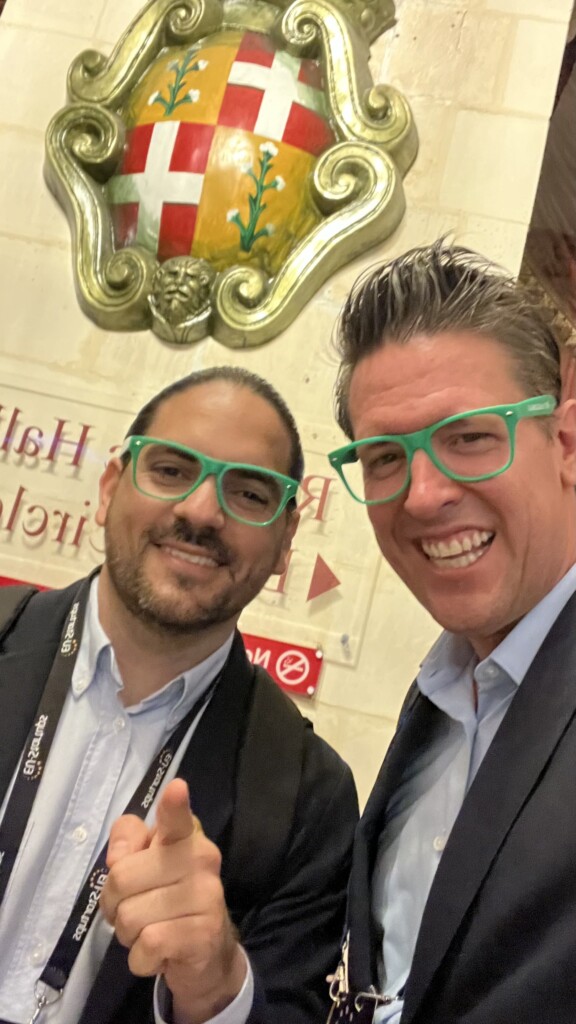
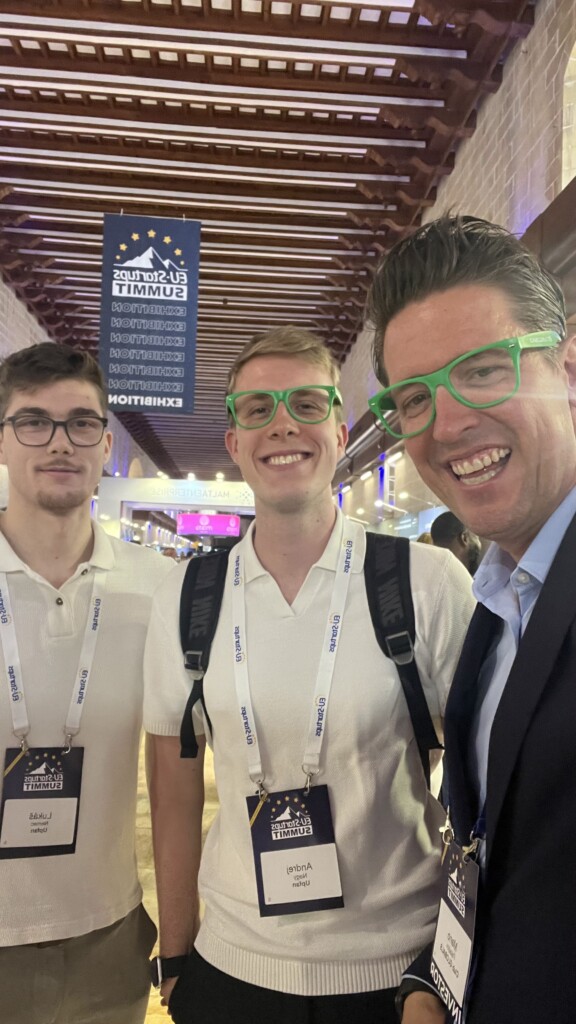
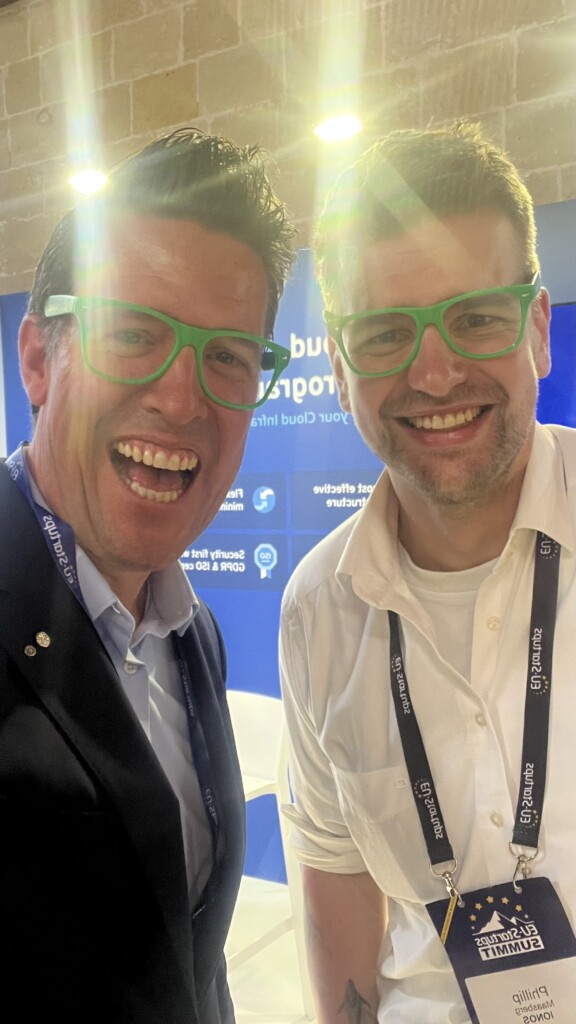

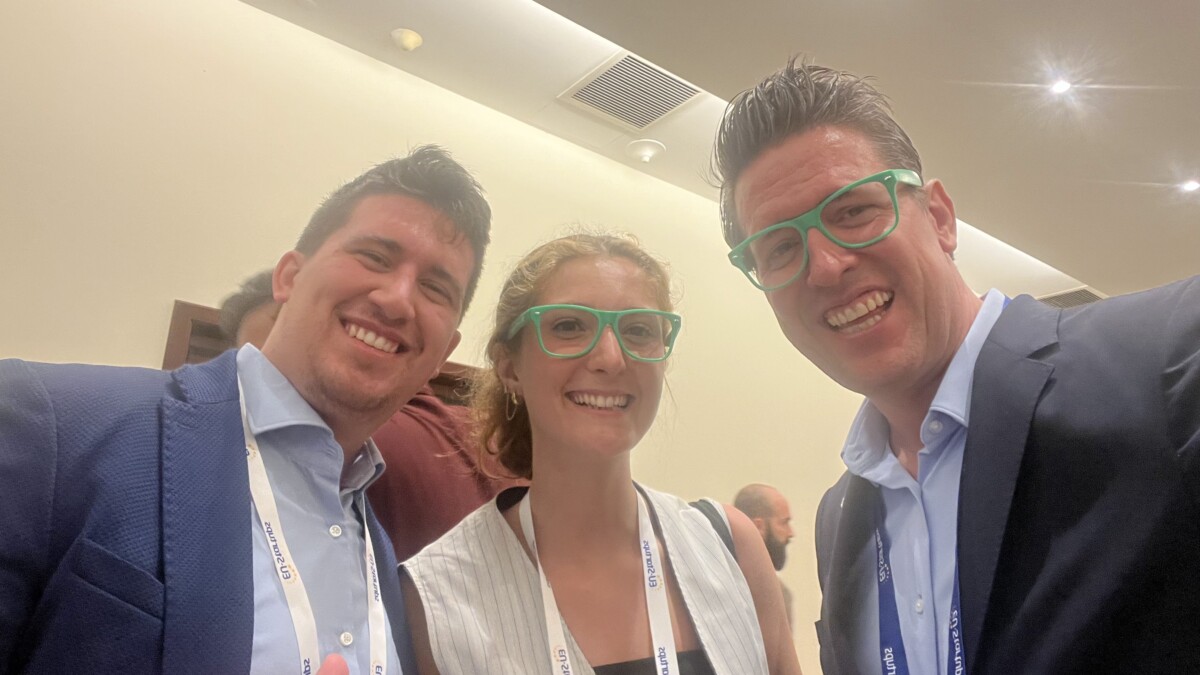



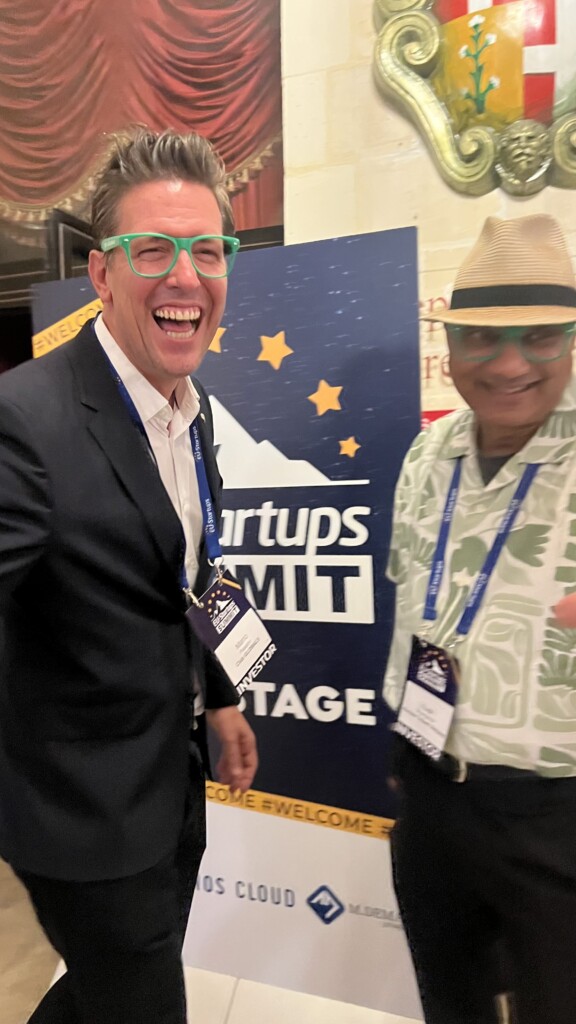
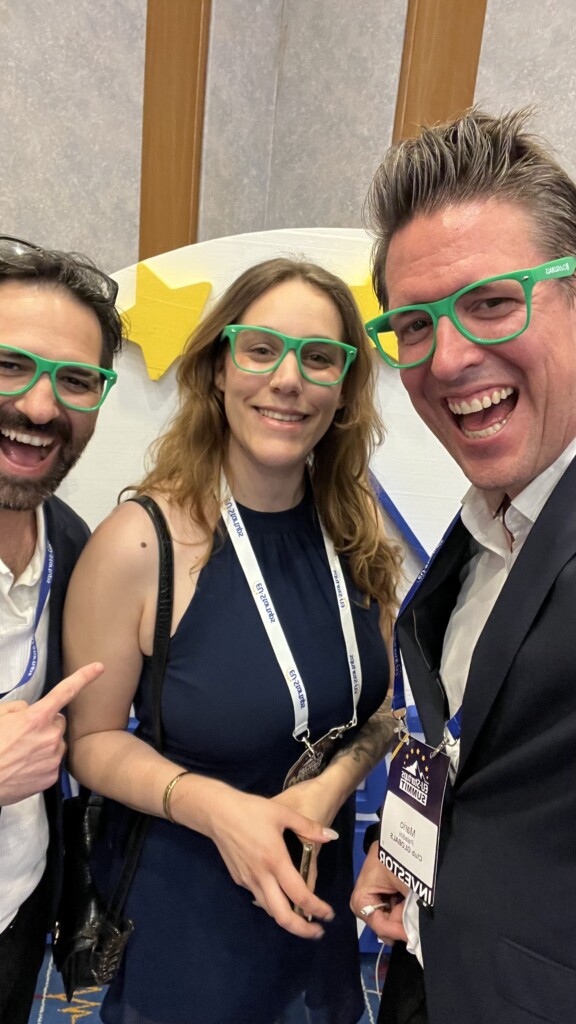

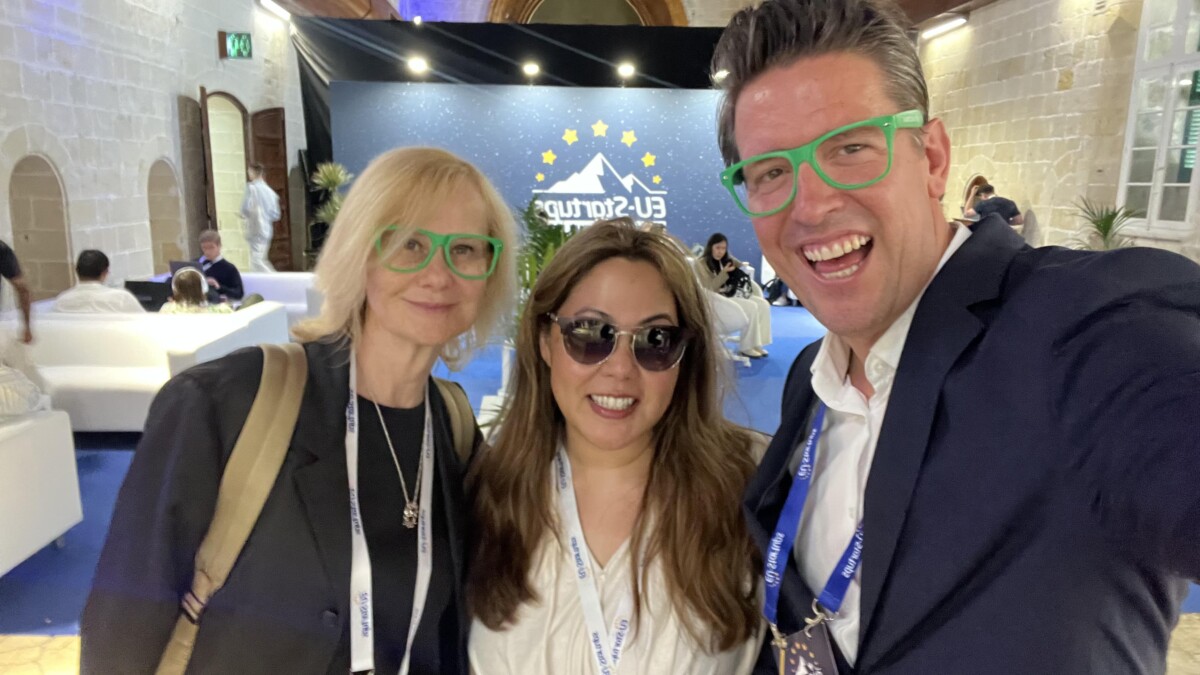
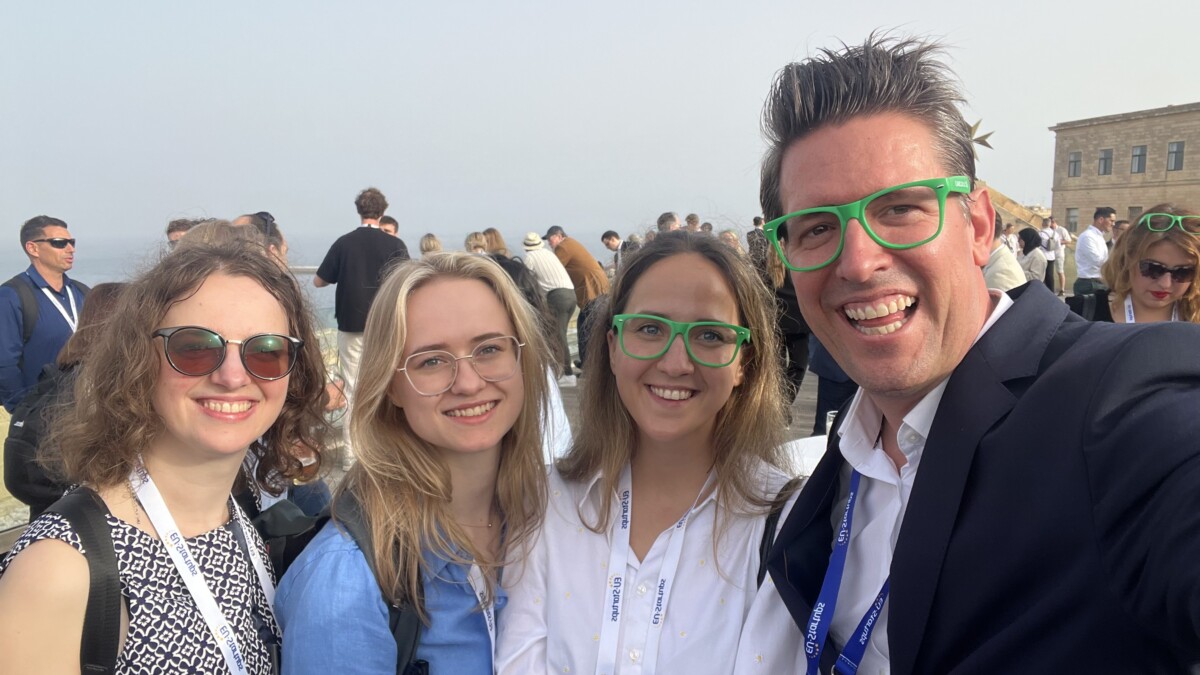
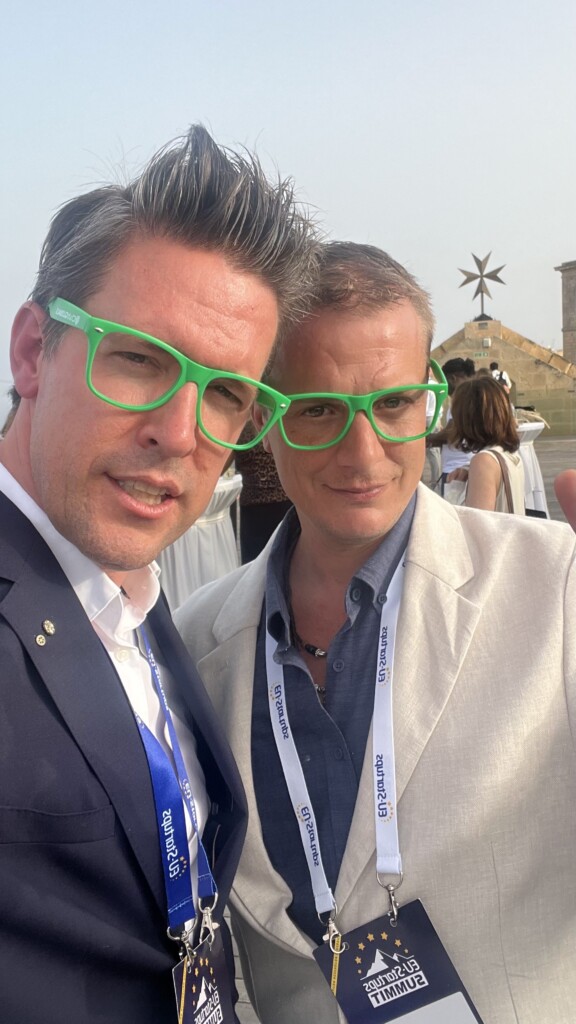


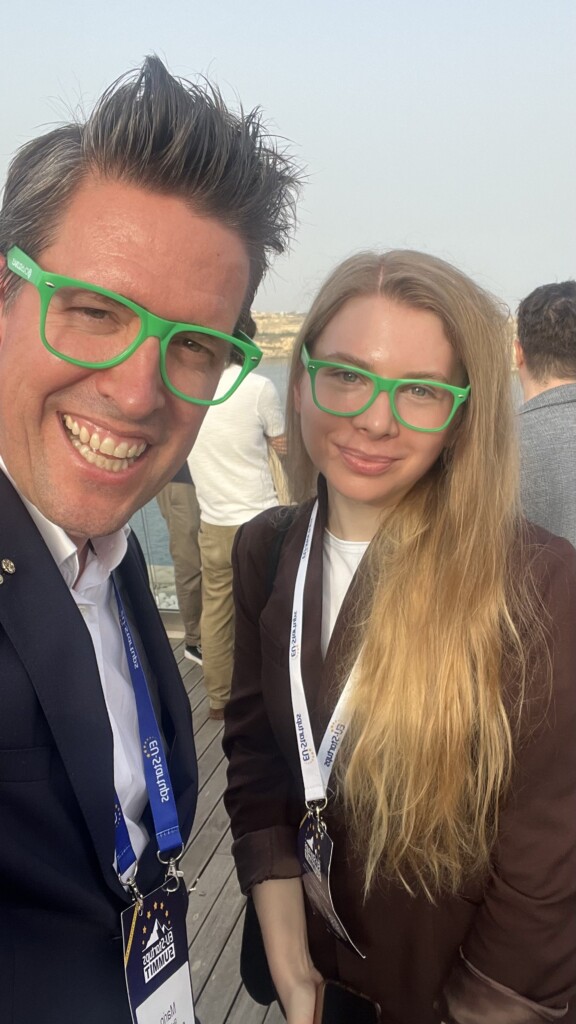
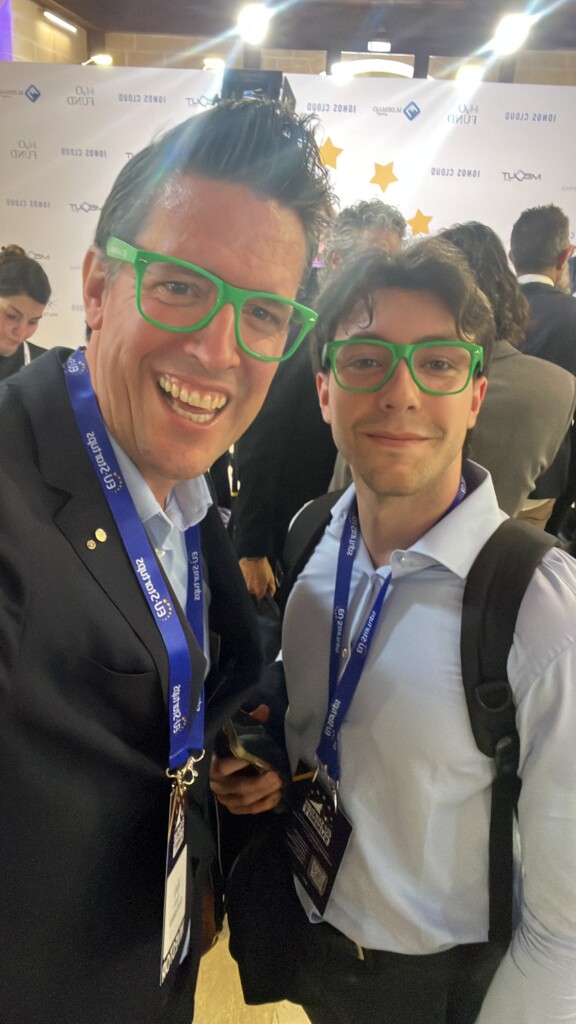
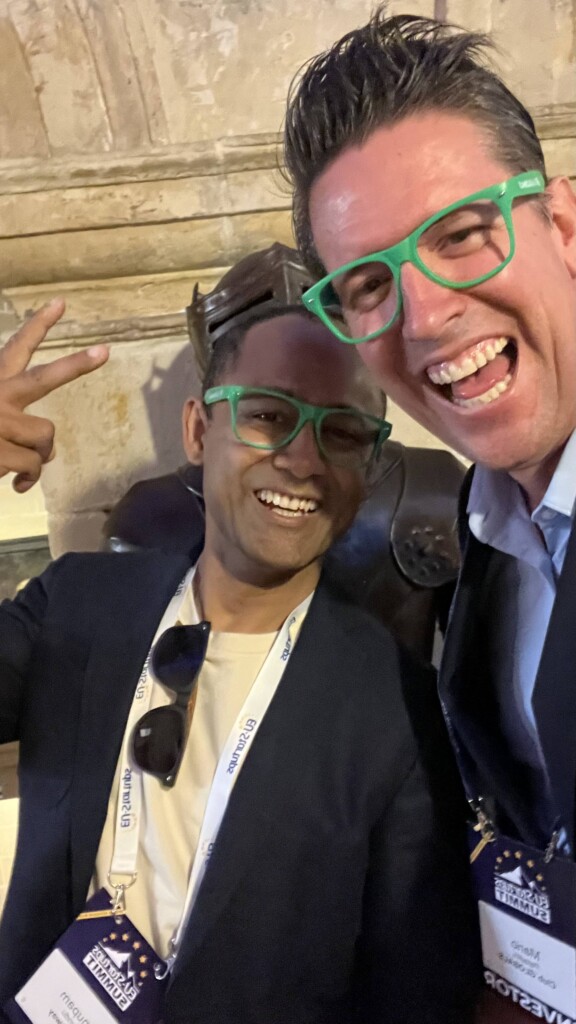
The expo floor did real work
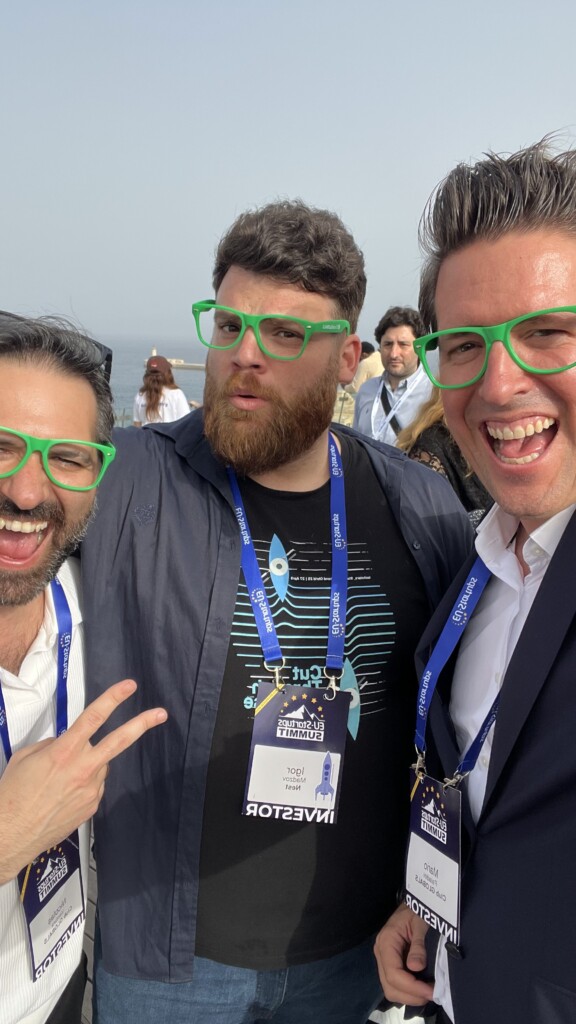
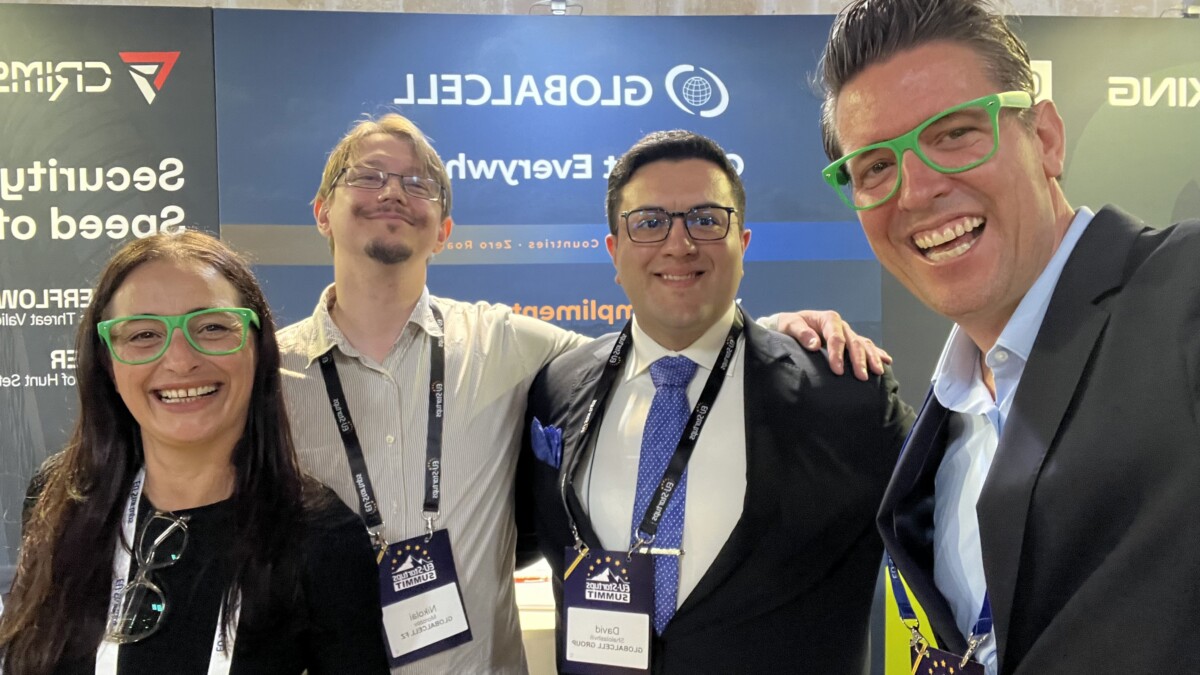
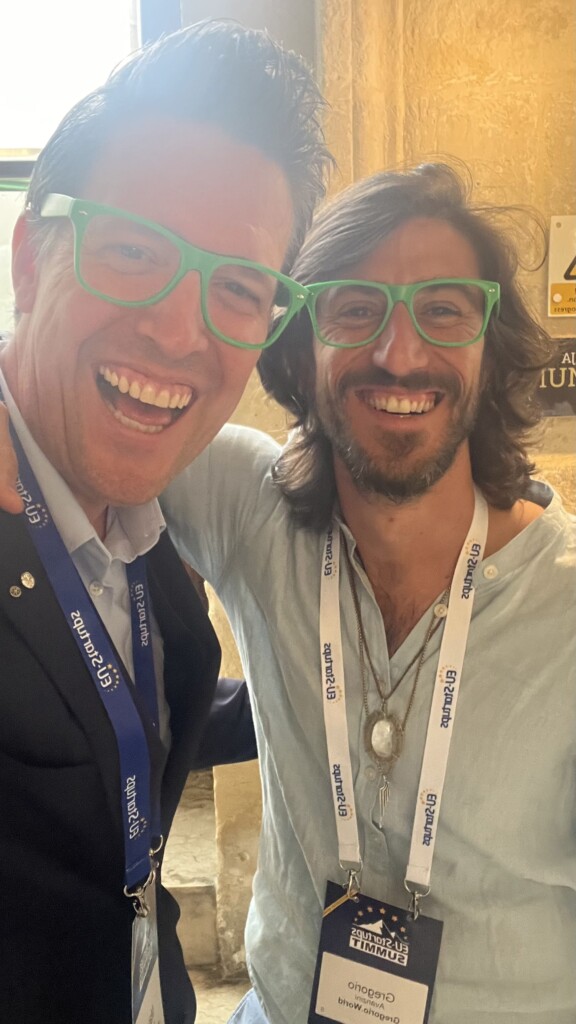
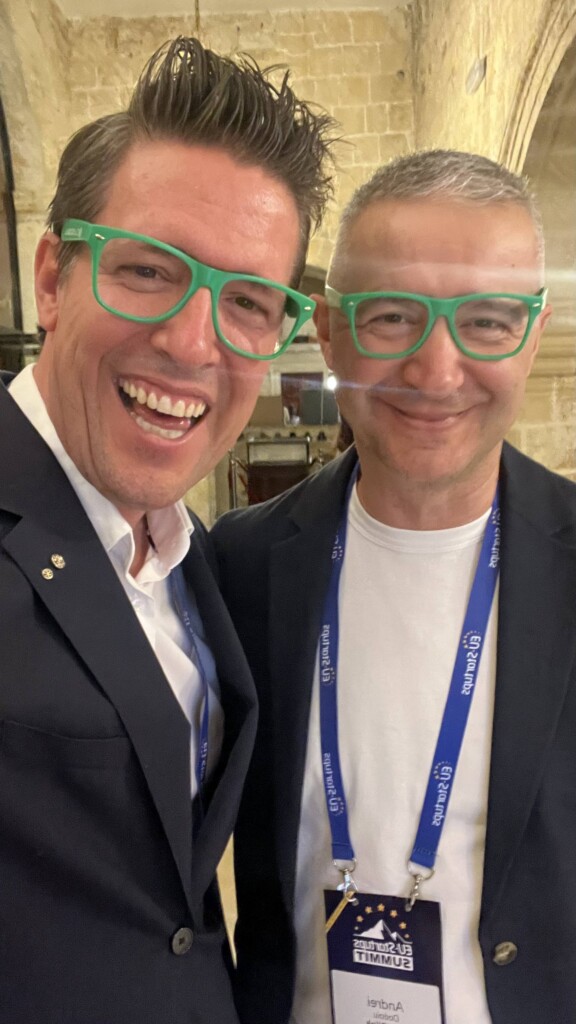
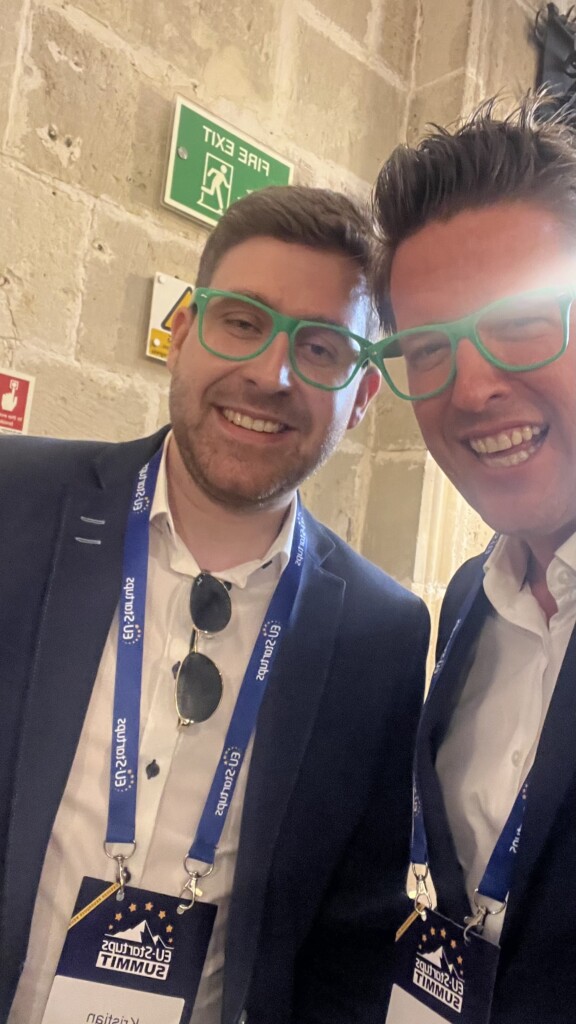
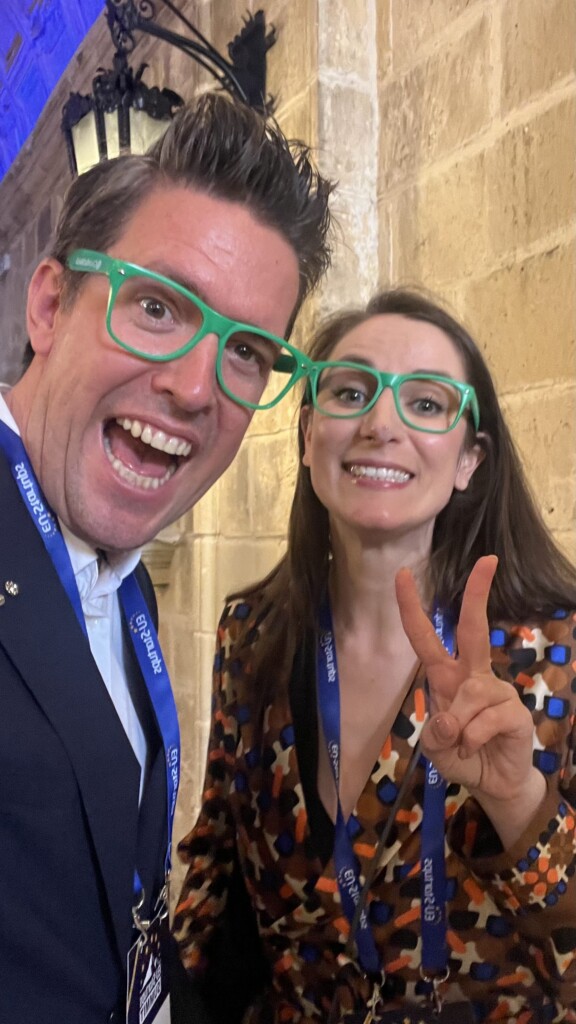
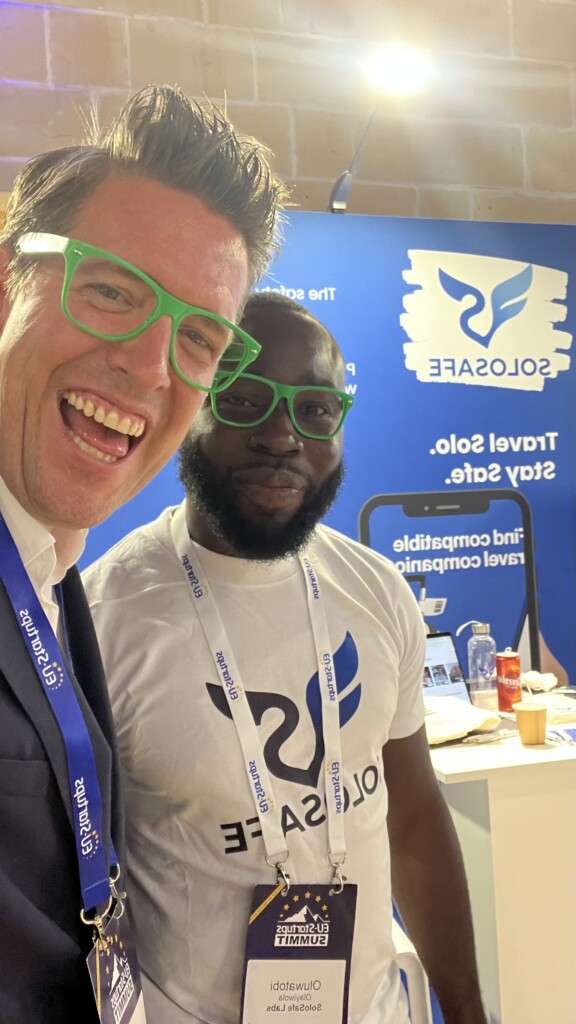
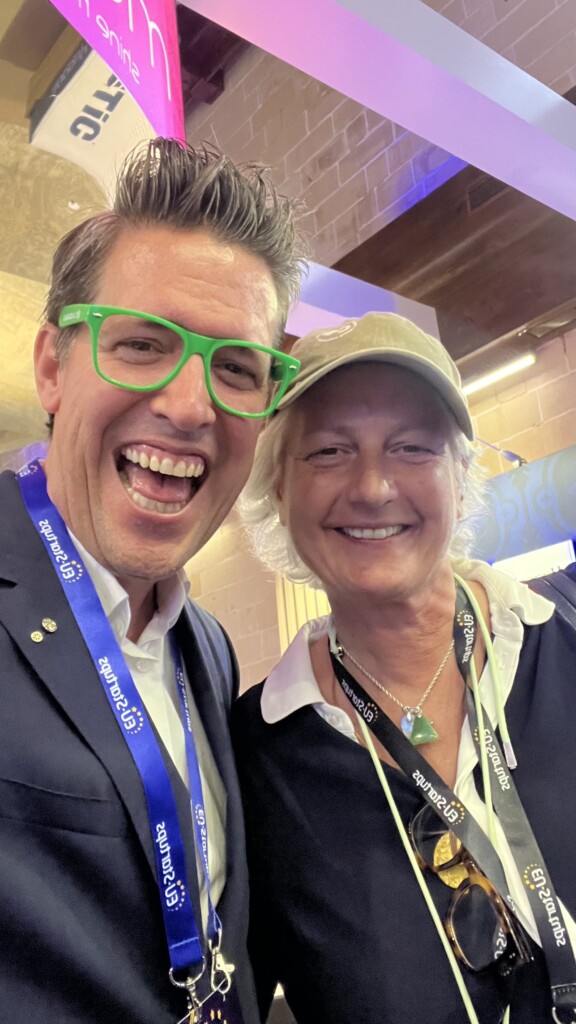
A good expo floor has a specific sound. Short intros. Half-finished coffees. People scanning badges with one eye while looking for the next useful face with the other. Malta had that.
The exhibition hall gave 75 companies a dedicated booth, while the wider attendee base represented around 1,200 companies. That made the expo floor less of a sponsor corridor and more of a discovery layer. Founders could check competitors, investors could scan categories, corporates could look for partnerships, and service providers had to prove quickly that they were useful.
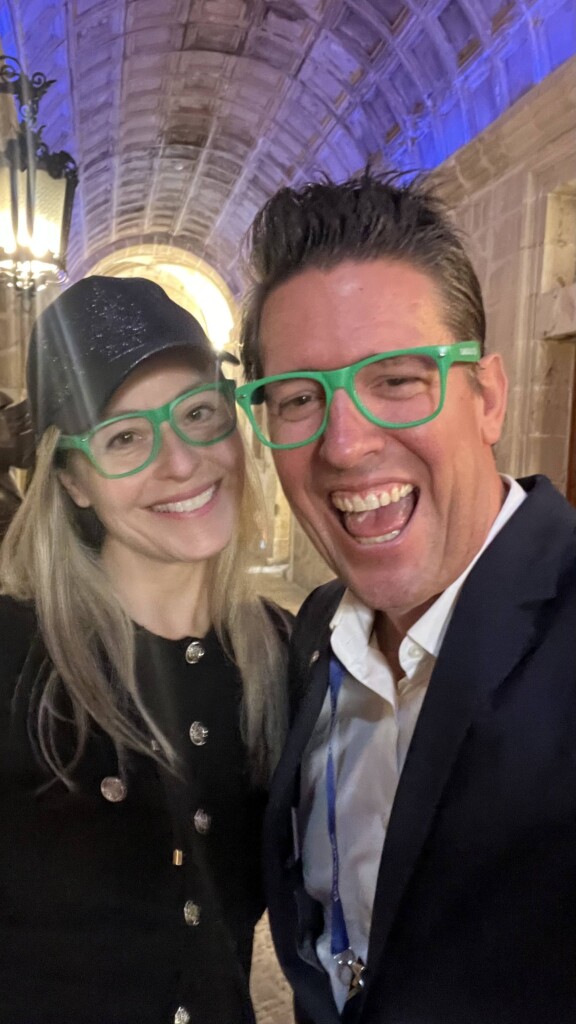
The Summit’s structure helped. People were not trapped in one long auditorium sequence. They moved between stage content, expo booths, app-based connections, networking areas, meetings and evening drinks. That movement is where the value lives. The pitch on stage can open attention. The booth, lounge, drink or follow-up meeting decides whether attention becomes opportunity.
The organisation showed in the seams
EU-Startups handled the parts where large events often lose energy: the spaces between sessions, the meeting flow, the networking tools, and the post-event visibility.
The app, AI-powered matchmaking, curated networking sessions, informal meetings in the Networking Lounge and sunset networking drinks gave attendees more than one route into the room. Some people came with meetings already booked. Others found momentum through spontaneous conversations in the exhibition hall, investor meetings and startup partnership discussions between sessions.
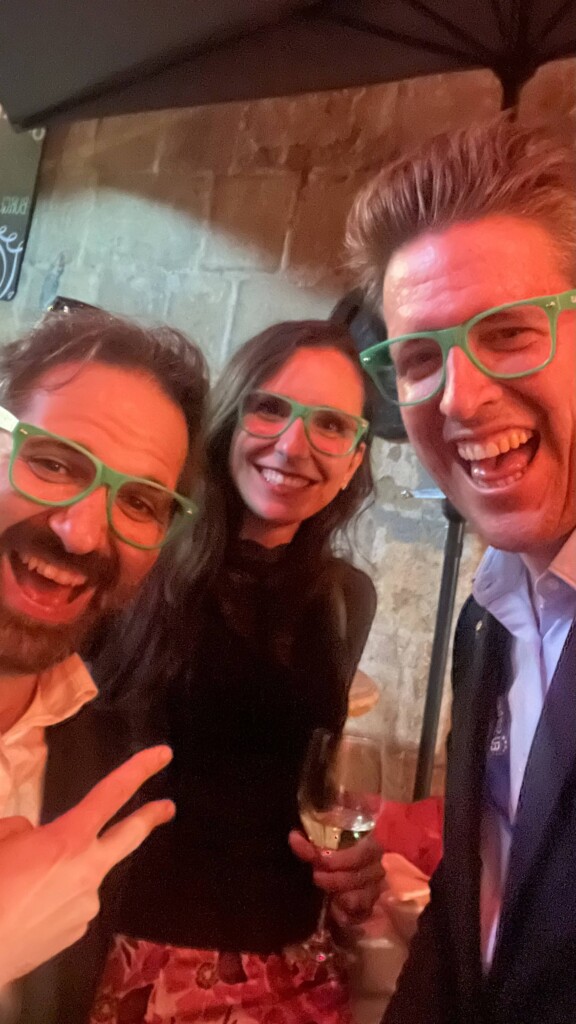
The evening layer also mattered. Networking drinks at Grand Harbour Terrace were built into both days of the agenda, powered by M. Demajo Group. Those sessions gave the Summit a second rhythm after the formal programme ended. In founder ecosystems, the official schedule gets people into the same geography. The evening conversations often decide who actually remembers whom.
The media follow-through was strong as well. The official organization shared the hole event footage classified in, Day 1, Day 2 photos & Photo Booth Gallery with curated Top 50 selection. This gave attendees ready-made assets to extend the Summit online. That is not cosmetic. It helps founders, sponsors, speakers and partners keep the conversation alive after the room empties.
What Malta showed about the European startup scene
EU-Startups Summit 2026 worked because it understood the founder economy as a system of rooms.
The stage gave direction.
The expo floor gave discovery.
The app gave structure.
The Pitch Competition gave pressure.
The side events gave intimacy.
The bus gave surprise.
For founders, the lesson is practical: come prepared for every room, including the ones that do not look official. The best investor conversation may not happen at the scheduled table. It may happen at the booth, on the terrace, in the hallway, or during the transfer to the next event.
For ecosystem builders, Malta offered a clear template. Do not overbuild the spectacle and underbuild the connective tissue. The value comes from movement, access, repetition, follow-up and smart friction. Founders need stages, but they also need smaller rooms where people listen differently.
EU-Startups Summit 2026 gave Europe’s startup ecosystem a serious meeting point in Malta. The programme had range. The expo floor moved. The networking worked. The Pitch Competition gave the room urgency. And the side-event layer proved that the strongest conversations often begin once the official agenda starts to loosen.
A startup summit has done its job when founders leave with more than photos.
In Malta, many left with leads, feedback, sharper positioning, new contacts, and probably a few voice notes sent too late at night.
That is the kind of conference Europe needs more of.
Are you ready to start GLOBALS on Tour?
GLOBALS on Tour is a global networking series designed to connect startups, investors, and industry pioneers ahead of the GLOBALS Tech Festival in Barcelona. The journey kicked off in Porto Alegre as the first stop in a series of networking events leading up to the festival on February 28, 2027, in Barcelona! Now we are continuing our journey in Madrid joining South Summit!
📍 Madrid – Jun 3-5, 2026
🎟️ Join Club GLOBALS for Exclusive Access
🔎 Explore More Events: GLOBALS Event Agenda
Hop on the tour — See you in Madrid!